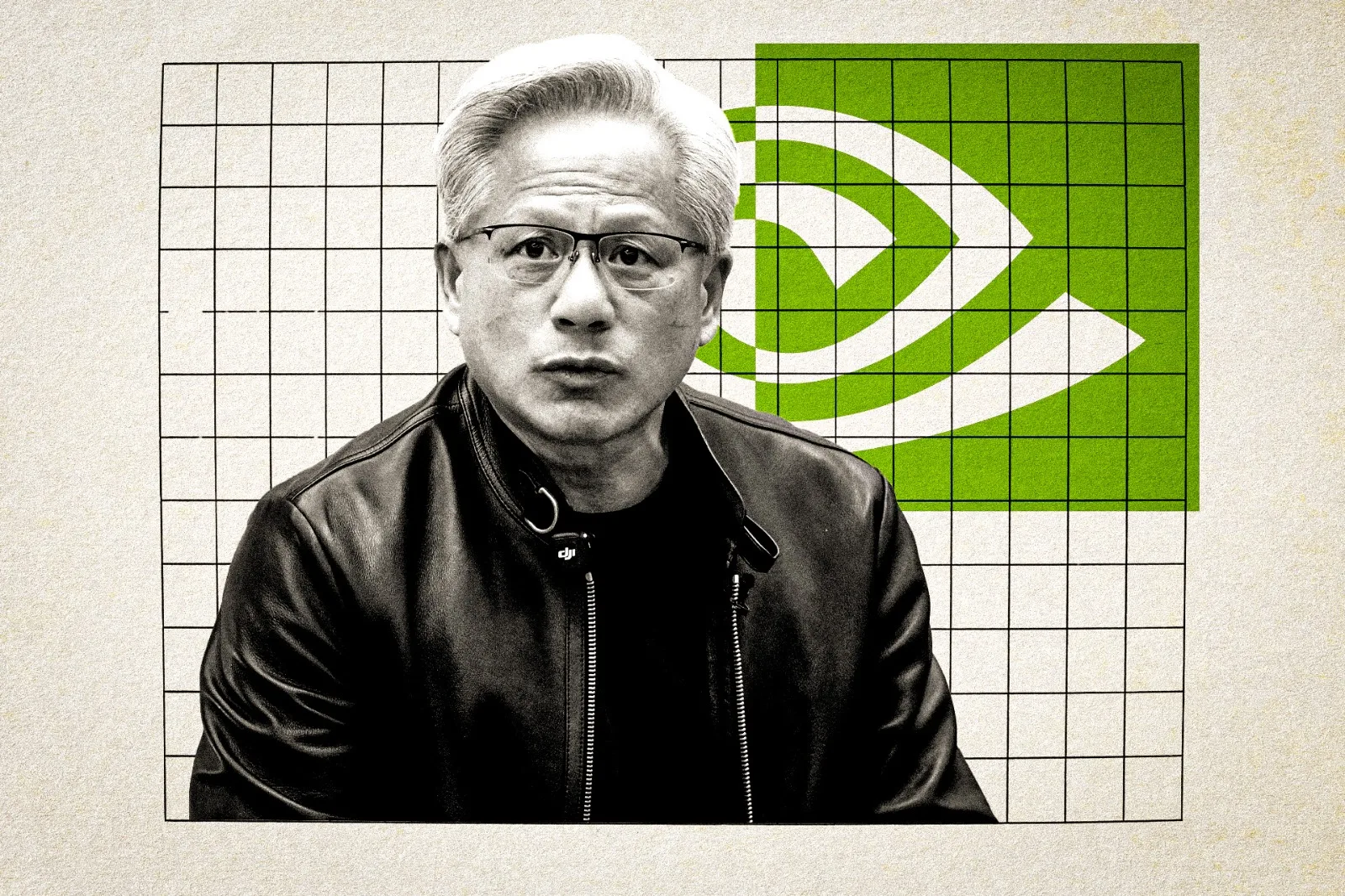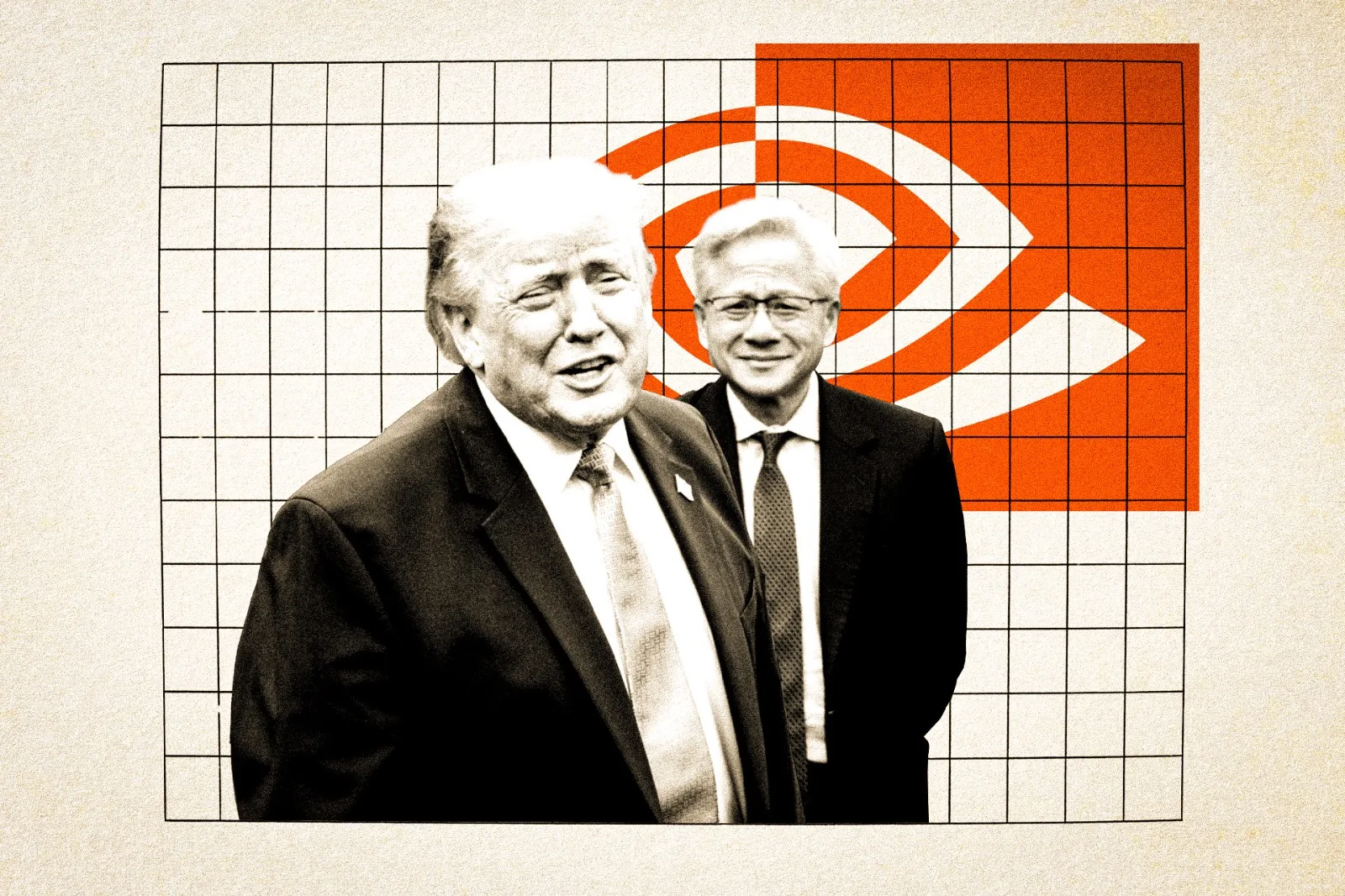
After an eleven-day hiatus, Jensen Huang is back as CEO of Nvidia. The goose that lays the golden eggs has returned, and the stock market is jubilant. Three trillion dollars have just been added to the S&P500 in an hour.
After we explained on Thursday the reasons for Huang’s ouster, we now find ourselves having to re-examine our perspectives.
Last night’s CBS Face the Nation interview with Treasury Secretary Scott Bessent showed something was up. Last week, he was leading the charge against former CEO Jensen Huang and Nvidia, saying they needed to look for someone outside the company for a replacement. In this interview, Bessent ‘clarified’ his comments:
“I said they should go to the outside, but he [Huang] is on the outside now.”
That has to go into the books as one of the most ludicrous statements ever.
Then this morning, the Nvidia board voted unanimously to accept Huang back, after having stated last week that there was no chance of Huang returning.
Nvidia’s board now says that “senior levels” in government had told them that Huang isn’t a national security threat. Well, that’s good to hear. Are we meant to believe that they managed to conduct their inquiries and establish the truth in eleven days? Of course not.
What happened to China? Well, Trump said he had a very long conversation with Xi about the subject. The content of the conversation he kept to himself, naturally. Did he ask him if Huang was a spy? It’s hard to see how anything of any interest could have come out of such a conversation.
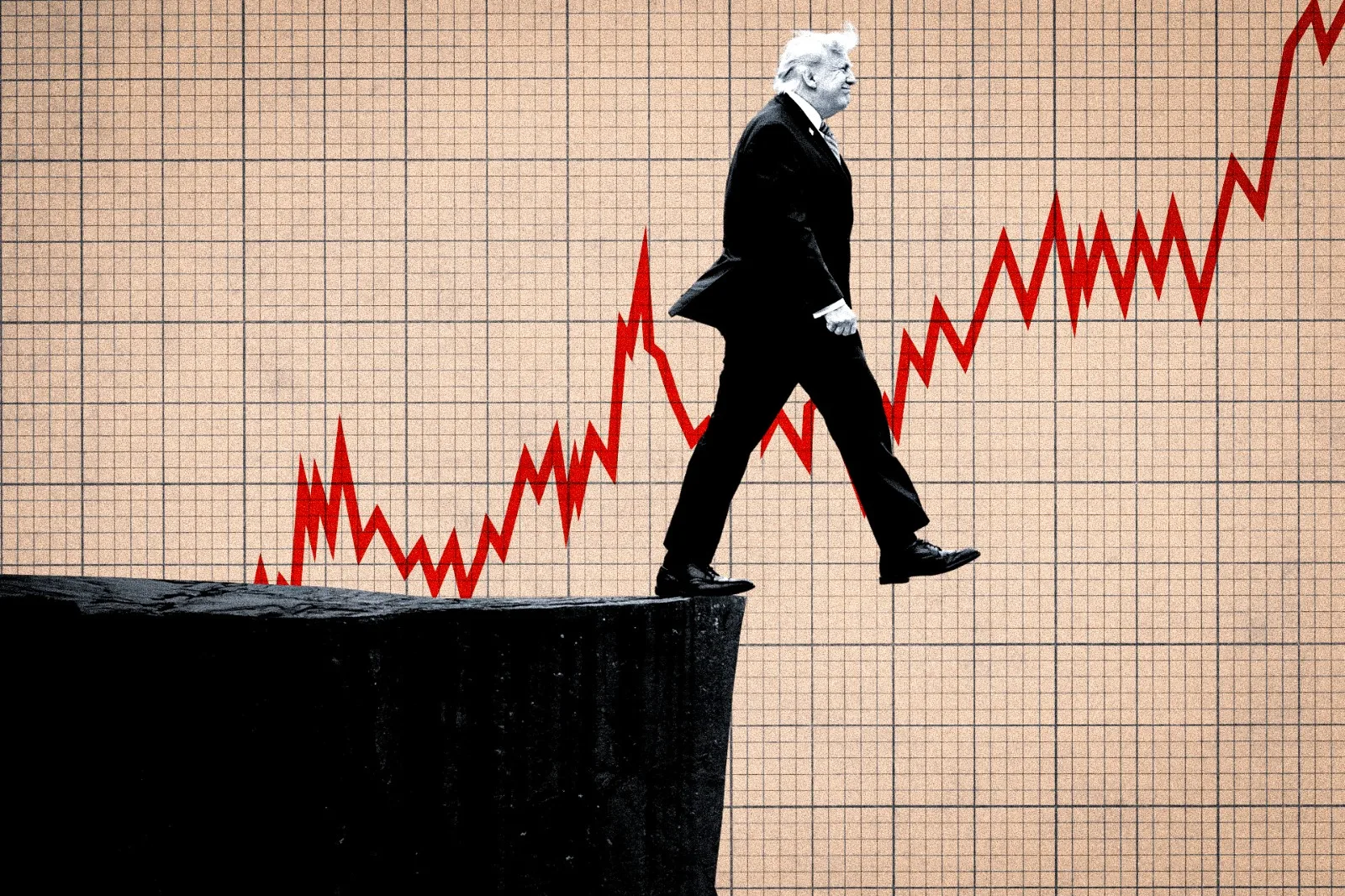
Rather, it seems very much to have something to do with the fact that the sacking of Huang had wiped out almost the entire S&P500 increase for this year, an eleven percent drop. Friday was the worst day of trading. Although Nvidia itself lost over one trillion dollars, this was a far wider problem.
What were the markets really worried about? Trump declared that Huang was a genius. The man certainly has some talent both as an engineer and as a company leader. But there are other capable engineers, and other capable leaders. What really made him irreplaceable was his seemingly magical ability to conjure up money out of nowhere, and keep up endless demand for data centres and infrastructure.
What they were really concerned about was the risk that Huang’s departure would set in motion a chain of events which would lead to the unwinding of the ‘AI trade’ as they call it. In other words, the speculation in the future profits of the AI industry. And because the AI industry is what drives the US economy, this affects all companies, not just Nvidia.
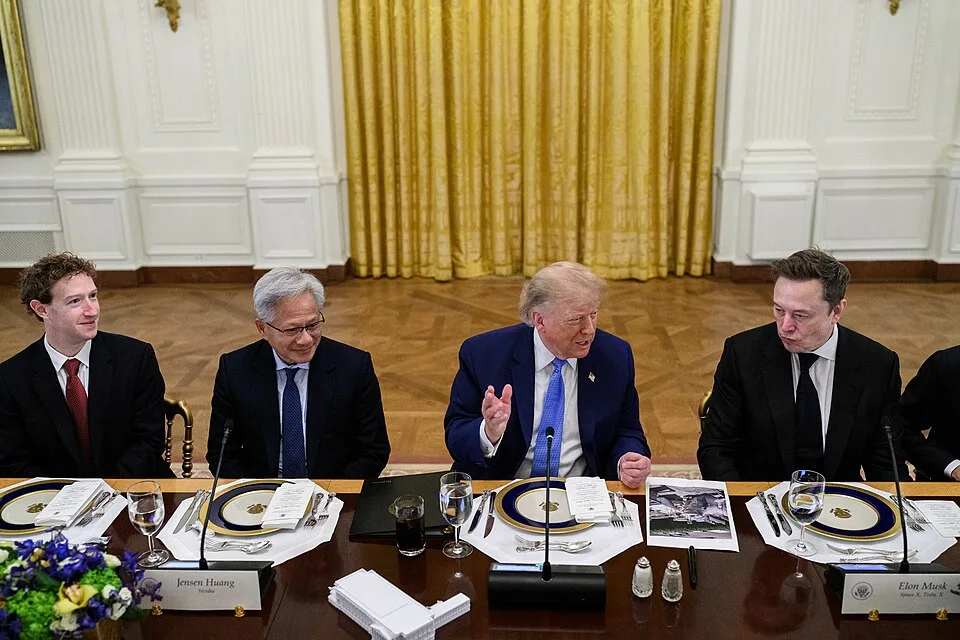
Clearly, Trump and his government didn’t want to preside over yet another disaster, and so they decided that Huang had to come back. Trump personally joined an Nvidia board meeting to advocate for his reinstatement. The White House even bragged about this:
“President Trump was totally involved and this is a great decision by the NVIDIA board.”
Nvidia’s board was probably more than happy to play along, and so Huang was reinstated.
One might ask what happened to the free market and free enterprise. Weren’t businesses supposed to run themselves? The reality is, of course, that the US ruling class, and not just the company board, has an interest in Nvidia, something that Musk, its richest representative, made clear last week. The monopoly corporations and the state are far more intertwined than they like to pretend.
For now, everyone is cheering; the markets are having a love-in with Nvidia; and the S&P500 is up three trillion dollars. All this just goes to show how precarious and volatile the situation is. Will this resolve any of the problems facing the AI industry? No, of course not. The only thing that Trump has managed to do is to postpone the reckoning.
It’s like the end of the party, when all the booze appears to have run out, and everyone is starting to think about the journey home and waking up the morning after. Not a pleasant thought. Then someone turns up, having raided the local liquor store, to tremendous cheers.
The party is back on. For now.