There’s a noise. Can you not hear it? It’s like a buzzing noise. It’s like a swarm of angry bees. What is it?
Ah. I know what that is! It’s the voice of my numerous critics.
They’re very dissatisfied with me. I don’t know why. I’m a nice sort of chap. But they’re dissatisfied; they always find some criticism. I can hear their voices now. I can hear them distinctly:
‘What’s this? With everything that’s happening in the world – capitalism in crisis, the class struggle – and here’s Alan Woods speaking about art! Whoever heard of such a thing! What has art got to do with the class struggle? What has art got to do with the working class? The working class is not interested in art.’
Now, you see, I like to think of myself – although some members of the International Secretariat don’t agree with me – as a very peaceful, pleasant sort of guy who rarely, if ever, loses his temper. However, if ever you want to see me angry, just say things like workers are not interested in art. That makes me angry. That makes me very angry. I’m serious.
When I hear those words spoken by someone who apparently considers themselves to be an expert on the working class, a workerist, I immediately draw the following conclusion:
This person is not a worker, never has been a worker, has absolutely nothing in common with the working class, and in fact is a petty bourgeois snob who imagines that only the middle class, intellectuals like him, can understand art – not that they’d like to understand art, of course – and that the workers, in effect, are ignorant little children, only interested in the bread and butter questions: trade unions, high wages, houses, and so on.
This shows a profound contempt for the working class. It also shows, as I know from my personal experience, a profound ignorance of the working class.
Art and the working class
You see, here’s an anatomy lesson for you. The working class, my friends, has a face. The working class also has an arse. You don’t follow the arse of the working class, okay? You don’t imitate the most backward elements of the working class. On the contrary, we are communists, we are revolutionaries, and therefore, we base ourselves on the most advanced elements of the working class.
If you do, and base yourself on the most backwards, and I’ve seen this so many times, particularly in the universities: ignorant middle-class kids who don’t know their arsehole from their elbow turn up with donkey jackets and talk with slang, and use bad English and think this makes them great representatives of the proletariat. It shows complete contempt for the working class. And it’s false, utterly false.
It is true that, as communists, we must understand that the working class as a whole does not learn from books. Why is that?
Because they’re stupid? The working class are not stupid. It’s because of the material conditions of life under capitalism, the slavery of class society, which the stupid ignoramuses in university will never understand! They’re pampered kids who never had to struggle for anything in their lives.
Let’s think of the life of an ordinary worker in any city in the world: in Rome, in Madrid, in London, in New York, Bombay, it doesn’t matter. This worker is struggling to live, struggling for the bare necessities of life.
The great Aristotle, who was a great materialist, long before Marx, wrote the following in his book, The Metaphysics: man begins to philosophise – that is, to think great big ideas, not small ideas, the important ideas about life, about everything – when the necessities of life are given. He went on: consequently, mathematics and astronomy were discovered in Egypt, because the priests did not have to work.
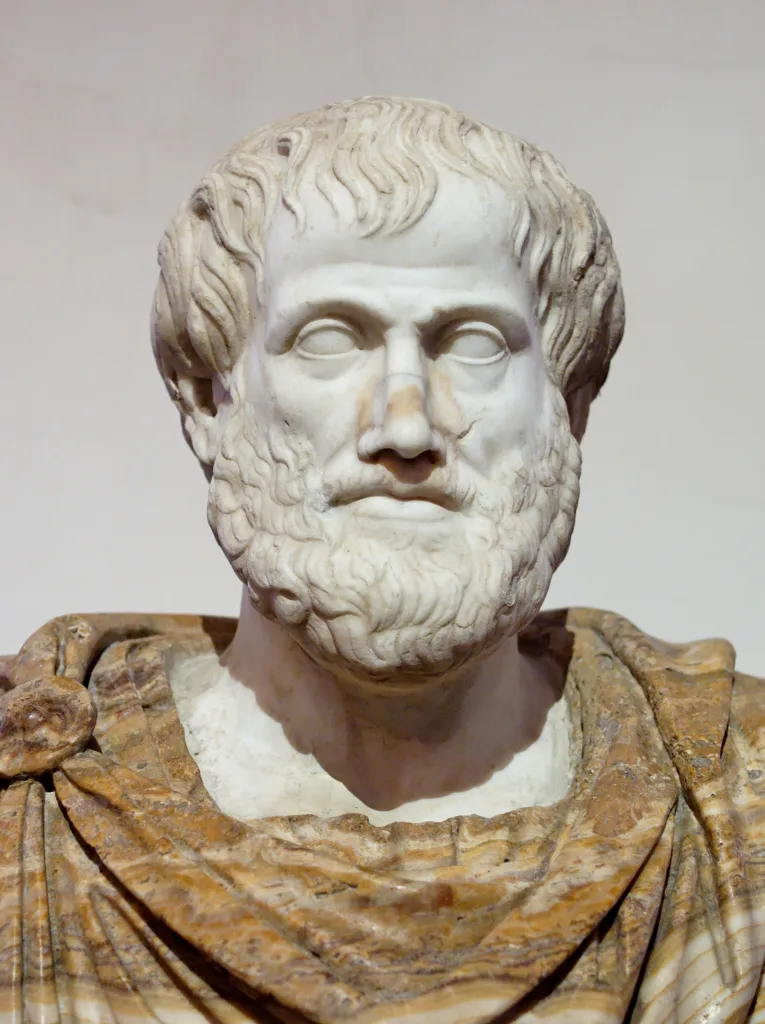
That’s a real expression of historical materialism 2,000 years before Marx. And that’s very true. Think: for the whole of history, art, science, and government have been the monopoly of a tiny, privileged few.
The masses have been barred from this, cut off from it. There’s a huge, gigantic gate, a door which is built with a thousand locks, preventing the masses from gaining access to culture.
Therefore, to those that say to me, ‘Art has got nothing to do with revolution’ – my friends and comrades, art and culture have everything to do with revolution! Because revolution, in its essence, has got everything to do with the struggle for culture in its essence.
A worker today, in any city, comes home after many hours of hard labour. That might be hard manual labour. It might be hard mental labour – horrible, soul-destroying office work, with long hours.
When this worker comes home, he’s tired. Not just physically tired, but mentally tired. The last thing that this person, man or woman, wants to do is to sit down and read a book about philosophy or come to a meeting or join a political party like ours.
This fact is the most powerful barrier preventing the workers from acquiring a revolutionary consciousness.
But as Lenin explained, maybe the workers don’t learn from books. Some do – a minority. But the working class, as a class, does learn from one book, the most important book of all: the book of life, the book of experience. It teaches them some very hard lessons.
It’s a dialectical process in which a thousand pinpricks, a thousand little attacks, insults, humiliations, frustrations, every day, every week, every month, every year, finally build up to a critical point, where quantity becomes transformed into quality, producing an explosion.
And in this explosion, things, as Hegel explained, turn into their opposite.
The struggle for culture
Now let’s go back to this monstrous assertion: workers are not interested in art or culture.
Now, in a sense, it is true for the reasons I’ve given. The ruling class uses its monopoly of culture as a very powerful weapon in the class struggle, to keep the workers ignorant, to prevent them from ever gaining anything remotely resembling genuine knowledge and understanding.
Frederick the Great of Prussia in the 18th century, when he was reviewing his troops in the Prussian army, turned around to another officer and said, “We are lost when these bayonets begin to think.”
Now that’s an important point. The ruling class do everything in their power to prevent the masses from obtaining culture.
If you don’t remember anything else I say, remember what Marx and Engels explained: in every society, where art, science and government are the monopoly of a privileged few, so long will that monopoly exploit its monopoly, its power over ideas, to exploit the rest of society.
That, my friends, is the essence of all class society. Whether it’s slavery, feudalism, capitalism, it doesn’t matter. So it’s no wonder that, in general, it’s difficult for the workers to acquire culture.
But does that mean to say that they’re not interested? Listen, I speak from my own experience. Some of you might know that I and Rob Sewell, my brother, are from a working class family in South Wales. A very poor working-class family.
I was brought up actually by my grandfather and his family. My grandfather was a tin plate worker. That’s very hard work. A tin plate worker and a communist.
I am the first member of the entire family that had a secondary education. Never mind about university. That didn’t enter into anybody’s mental horizon. They didn’t know what it was. Didn’t care very much either.
And yet in that house, that humble house where we lived in Townhill in Swansea, there were always books; there was always music. Classical music, not the stuff you lot’d listen to. Classical music, mainly Italian opera, which was very popular with the Welsh workers at the time.
I’ve seen grown men, building workers of my family, listening to the voice of the great Italian tenor Beniamino Gigli, the greatest tenor that ever lived, singing ‘Your Tiny Hand is Frozen’ from La Bohème and weeping with emotion at this great music.
Books. I still have in my possession my grandfather’s copy of Darwin’s The Origin of Species. An uneducated working man! And my mother’s copy of Anti-Dühring.
Don’t ever dare to say to me in my presence – don’t ever dare to even hint at it – that the working class is not interested in culture.
It’s a lie. It’s a slander. A counter-revolutionary slander. Even in the most backward workers, beneath the thick layer of prejudice and ignorance – all that exists. We know this. There are backward moods among workers. We know this. We come across them all the time.
But even the most backward worker – apparently apathetic, cynical, not interested in politics, not interested in the trade union, never goes to meetings – even in that person, there’s always a little spark of nascent consciousness, and yes, a spark of creativity, nascent potential creativity.
And this spark exists in the whole of the working class: a desire to know, a desire to understand, a desire to be something better than what I am, because I’m not satisfied with my life.
Who can be satisfied with their life of drudgery, of misery, of oppression without a desire – maybe unconscious, maybe semi-conscious – that things must change. This is no good. We want something better than this.
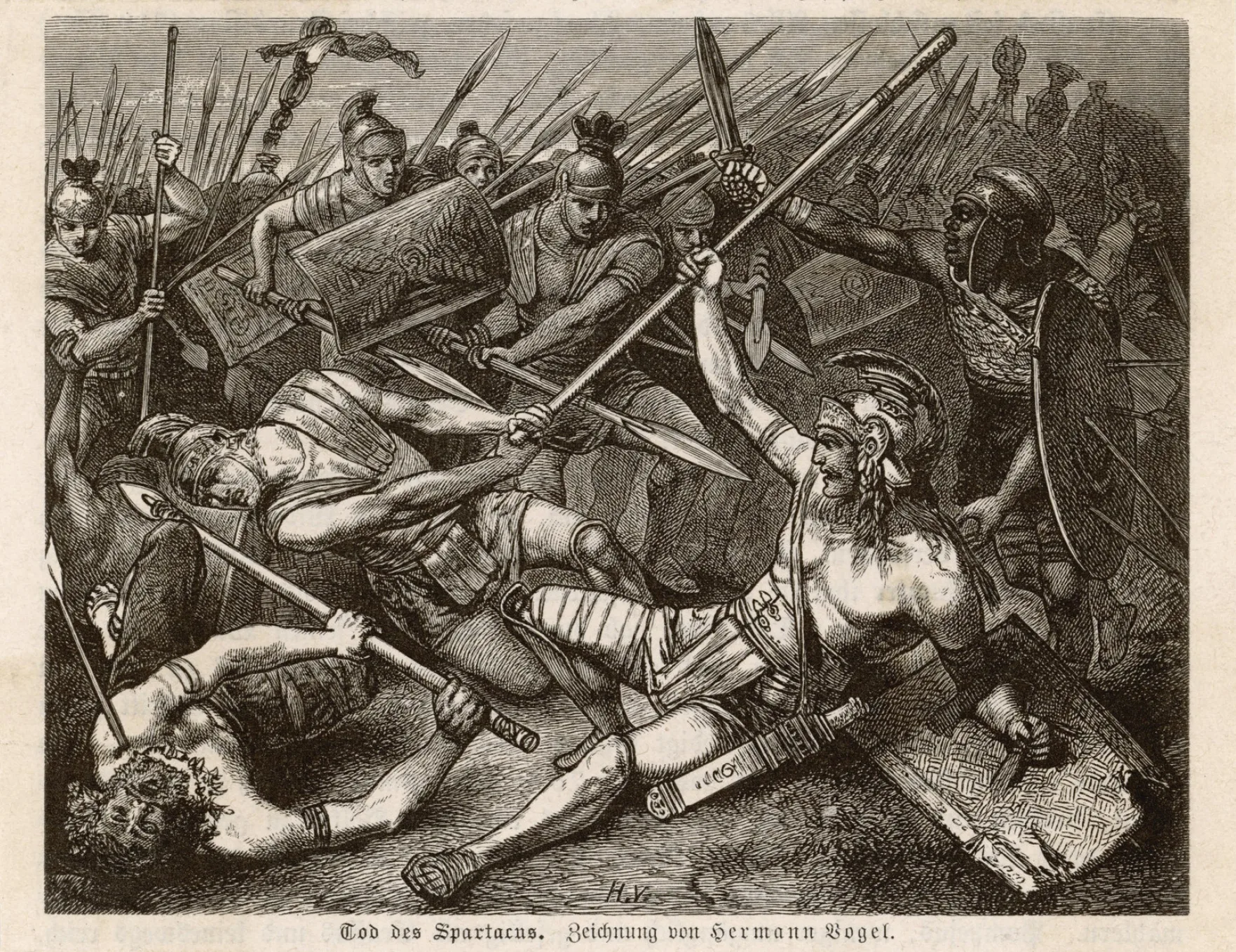
Spartacus
There’s a marvellous film. It’s actually a film produced and paid for by a person I consider to be the greatest actor that Hollywood has produced probably in the 20th century: Kirk Douglas. A marvellous actor, and also a very progressive man.
A very rich man, by the way. From his own fortune, he financed a marvellous movie, I think one of the greatest movies that’s ever been made in Hollywood: Spartacus.
Comrades: please, please, watch this film.
Spartacus. How the hell this film was ever agreed to in Hollywood, I’ll never know! Because that’s a really revolutionary film.
It was at a time of extreme anti-communist propaganda in the USA. The McCarthyite witch hunt, particularly against actors and film directors. There was a terrible blacklist. The work of brilliant writers and screenwriters was not allowed to be shown. The actors were not allowed to act in films.
Kirk Douglas insisted on showing a film about a great revolution. All the other films were about Jesus Christ and the Ten Commandments and so on.
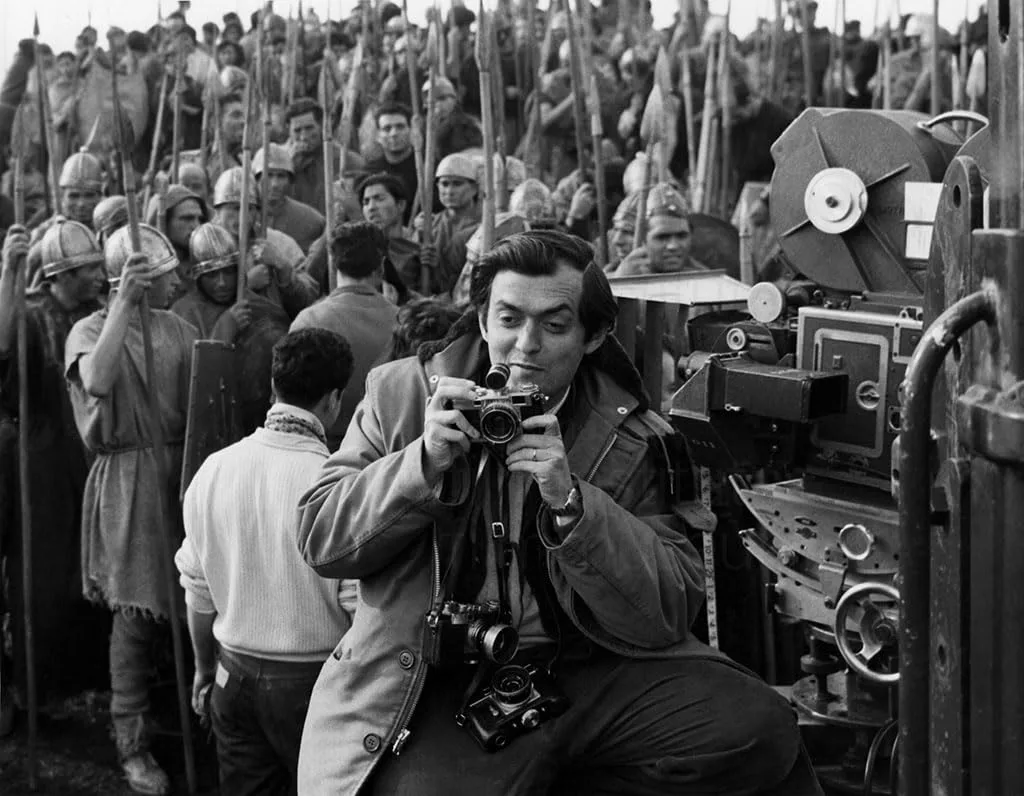
Not this film. It’s a real revolutionary film, which actually shows the essence of a revolution. And shows it very well. It’s actually quite close to the historical facts. Not entirely, because it’s a work of art. Art has got the right to slightly change it. Otherwise, it wouldn’t be a film, but a documentary.
But not only that. If you look at the end of the film, at the list of writers, the people who collaborated in making this film, you will find the name of a man. You wouldn’t notice it. A screenwriter: Dalton Trumbo.
This was the first time the name of this brilliant man was allowed to appear. It was banned! Kirk Douglas took a big risk. He said, ‘No, you put his name on the list.’ That had never been done. Defying all the authority, defying the ban, defying the witch hunt. A courageous thing.
During this film, there’s a scene in which Spartacus is speaking to his wife, Varinia, another slave. He’d won a series of battles. His wife says, ‘Well, you must be satisfied.’
He said, ‘Am I satisfied? No.’
He said, ‘What have we really won? Yes, we’ve won, we’ve defeated the Romans. But what have we really achieved? I cannot read. Will you teach me to read?’
Now, I thought that was a very moving scene. This great revolutionary hero and martyr in the middle of all these struggles and battles, and what’s obsessing his mind is that I can’t read.
Now, I am certain that this conversation never took place. I’m certain that that’s a work of fiction. A work of fiction? Yes. True? Very true!
More than anything else, it conveys the real essence of a revolution, as I hope to show and prove. This desire to know that you see in every revolution.
The desire to know
I have the advantage of most of you, all of you, perhaps. In the course of my life, I’ve seen revolution. I’ve seen it. Not just in books.
I was in Paris in May 1968 at the time of the greatest revolutionary general strike in history. There were less than four million workers in the trade unions in France at that time, but 10 million workers occupied the factories! I saw it. I could speak at length on that.
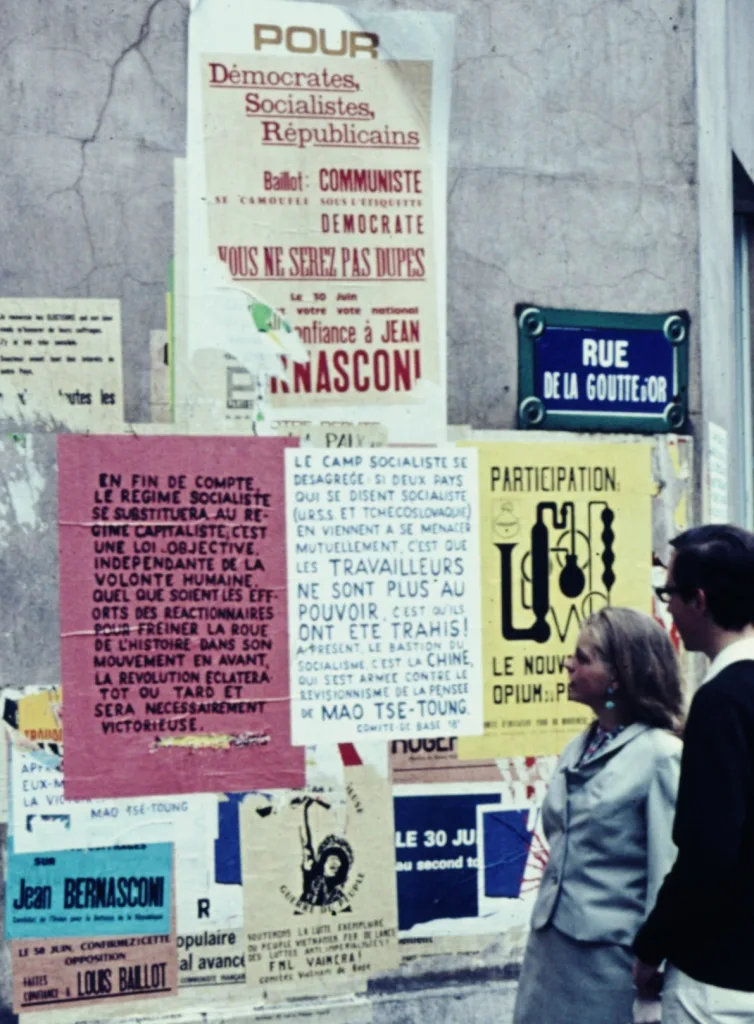
I saw the Portuguese Revolution in 1974-75. I was there. Lisbon was buzzing with life. Some young kid, a student, a Maoist, or whatever, would write a manifesto on the wall. A long one, just words and words and words.
Immediately, hundreds of workers would gather around. ‘What’s he written? What does it say? We need to know!’ And heated debates would break out.
A search for knowledge! ‘We need to know. We need to know things that we didn’t know, we weren’t allowed to know.’
One of the main features of every revolution is the way in which the circulation of newspapers, the revolutionary press, increases by hundreds of thousands.
That was true in the first Russian revolution. Read Trotsky’s book, 1905. It was true of the October Revolution. It was true of the Spanish Revolution, the Spanish Civil War.
Huge increase in left-wing newspapers in Barcelona, Madrid and so on.
The Spanish Revolution in the 1970s. I wrote a book about that. You should read it, by the way. The Great Betrayal. That was a genuine revolution. And there was also a lot of artistic activity: artists, theatre, everything. Poets, writers, musicians, composers were drawn into this great revolutionary movement.
Then there was Venezuela. As you know, I had quite a close relationship with Hugo Chávez and the Venezuelan Revolution.
In all of these cases, you could see how the masses awoke to life. They shook off the old routine, the old slave slave mentality, the ‘normal existence’, the ‘normal conditions’.
Bread and circuses
You know, normally these days, in most countries, in Britain, for example, people don’t buy their newspapers, and I’m not surprised. If they do buy a paper, they won’t read the politics, they won’t read the editorial. They go straight to the sports page where they have access to real proletarian culture.
You know what that is, my friends? Football. Some of you may know that I have a problem with football.
Basically, I’m allergic to it, but there you are. Brings me out in spots.
People’s lives are empty of all spiritual values, of all content, all beauty, of all art. And they’re fed crumbs instead. ‘Have football, my friend. Never mind about that. Have football.’
You may laugh. But this is the main weapon of the capitalists. If you don’t see this, you must be blind.
The British ruling class were very clever when they invented football. It worked. It’s a very old tactic. Bread and circuses. In Rome it was like that: give them bread and circuses, and they’ll be all right.
Bread to feed the starved. But bread’s not enough. The Bible says – and it’s very true – “Man shall not live by bread alone.” They need something else.
The ruling class understands they need something else to keep their brains occupied. ‘Give them sport. Give them chariot racing. Gladiator fights. People killing themselves in cold blood in the arena. That’s real sport. That’s really good stuff.’
Chariot racing was just as bloody, by the way. Except it didn’t always work. In Byzantium, there were two teams of charioteers, the Greens and the Blues. There were teams of supporters, just like now in football. They fought each other, just like now.
Sometimes they used to kill each other. But football hasn’t quite reached that stage yet. Sometimes it got out of hand, and it became really revolutionary stuff. It caused the ruling class to clamp down on it.
Yes, the masses need something else.
Leaps in consciousness
The desire for culture comes to the forefront in every revolution. In every strike, you can see this. Some of the most backward layers suddenly become transformed, they move into action.
The so-called leaders, the shop stewards and so on are puzzled. Nobody ever normally comes to a trade-union meeting! All of a sudden, 100,000 people turn up: angry people, demanding action.
The same people, by the way, who previously would never listen to a communist. ‘Oh, no. You’re too left-wing. You’re too radical. You’re too extreme. It’s not for me.’ They become transformed. They become the most militant elements.
Here’s an example: in 1905, when the Bolsheviks were a small, tiny minority. They distributed leaflets to the strikers, as the workers were on strike – a general strike. They distributed leaflets calling for the overthrow of the Tsar.
The workers – many of them peasants, just recently come from the villages, ignorant and backward – tore up the leaflets. They often beat the Bolsheviks as well, because they supported the Tsar.
Then came the events of Bloody Sunday. At the World School, we’ve also got a session on Shostakovich. You listen to that. Shostakovich’s 11th Symphony is a perfect description in music of the 1905 revolution, including the events of Bloody Sunday, the massacre.
A massacre took place of unarmed workers. Thousands were killed. Nobody knows how many.
The very night after that massacre, the same workers that had torn up the leaflets and beat the Bolsheviks came to them with one demand: ‘Give us arms, give us weapons. We don’t have a Tsar. The Tsar is dead. No more Tsar. Revolution.’ Things were transformed into their opposite.
The necessity of art
Now, how does this bear upon art? Well, let’s be clear about this. Comrades sometimes are a bit mechanical: ‘well, the development of art must reflect the classes and the development of the productive forces.’ Well, there’s a song by Gershwin: It Ain’t Necessarily So. Not necessarily.
See, it’s true. The basic motor force of all history is the development of the productive forces. That’s true. Some way or another, will that find an expression in things like art and music? Yes, it will – somehow or other, sooner or later, more or less.
But if you ask me, is there a direct relationship between the two things? I answer no. There is not.
The relationship between ideology – like art, philosophy, music, culture, painting, architecture – and the productive forces, if it exists at all, is very, very indirect, very contradictory, and not at all mechanical.
Engels actually said that it is pedantry to try to relate different schools of philosophy, for example, to the class struggle and to specific classes. That’s a very foolish thing to do.
Actually, things like art and religion – they were related – have very ancient roots. The idea that art is something inessential, something irrelevant, is not true.
You know, I don’t think anyone can explain it, but it seems that we human beings, the species of homo sapiens to which most of us tend to belong – I sometimes have my doubts – are hardwired. There’s something in our psyche, there’s something in our soul; there’s something deeply hidden in our consciousness, or subconsciousness, which has a religious element and an artistic element also.
Look. Art – in the modern sense – is born with the development of human society. The very earliest expressions of human culture are cave art. These wonderful paintings you find in places like Lascaux, France and Altamira, Spain.
Very old art. It’s even older now than I thought. The date goes back continuously.
So from the very early beginnings of our species, art has occupied a central place in human society. Can I justify that statement? I think I can.
You see, we talk about cave art and cavemen and cavewomen, as if people lived in caves. People did not usually live in caves. Well, sometimes they did. But they didn’t usually live in caves.
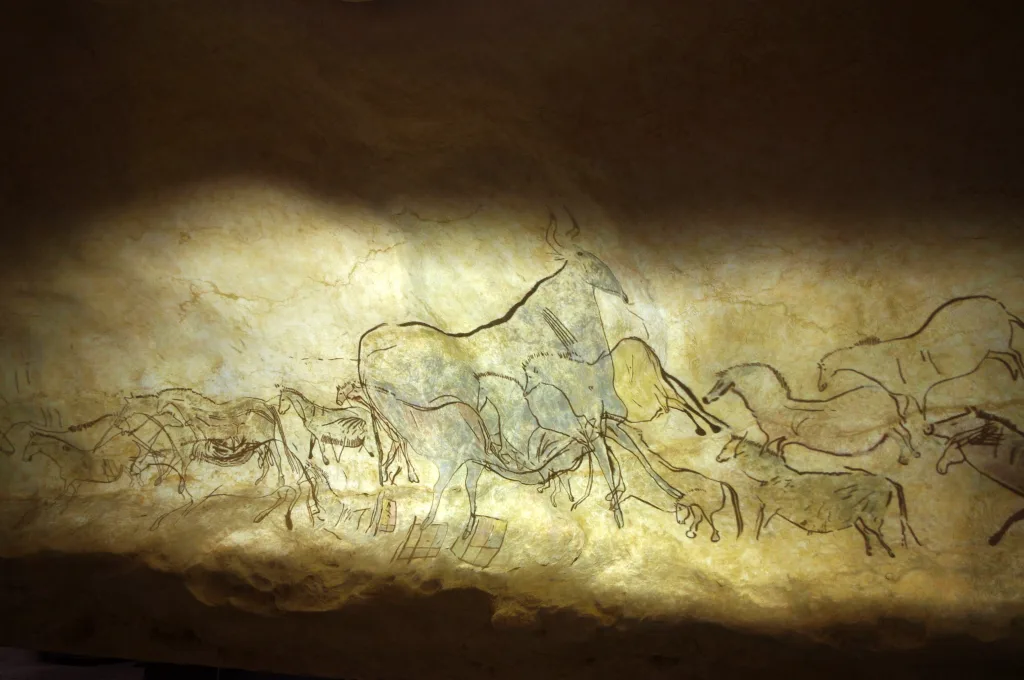
They were hunters; they’d move around, and caves were fixed. If they did live in a cave, it would be in the outer part where there’s light and air. Inside the cave – you didn’t want to go there. It was dark. It was dangerous. There were some very bad animals like cave bears. You didn’t want to meet them.
And yet, these marvellous paintings – by the way, I think they have never been equalled in precision. They describe what animals these people hunted, with a precise knowledge of anatomy.
Where are these paintings? They’re not in the outer part. Therefore, they were not ornaments, decorations, oh no. They were always in the darkest, most inaccessible spaces inside the cave. Sometimes you can only reach them by crawling on your belly.
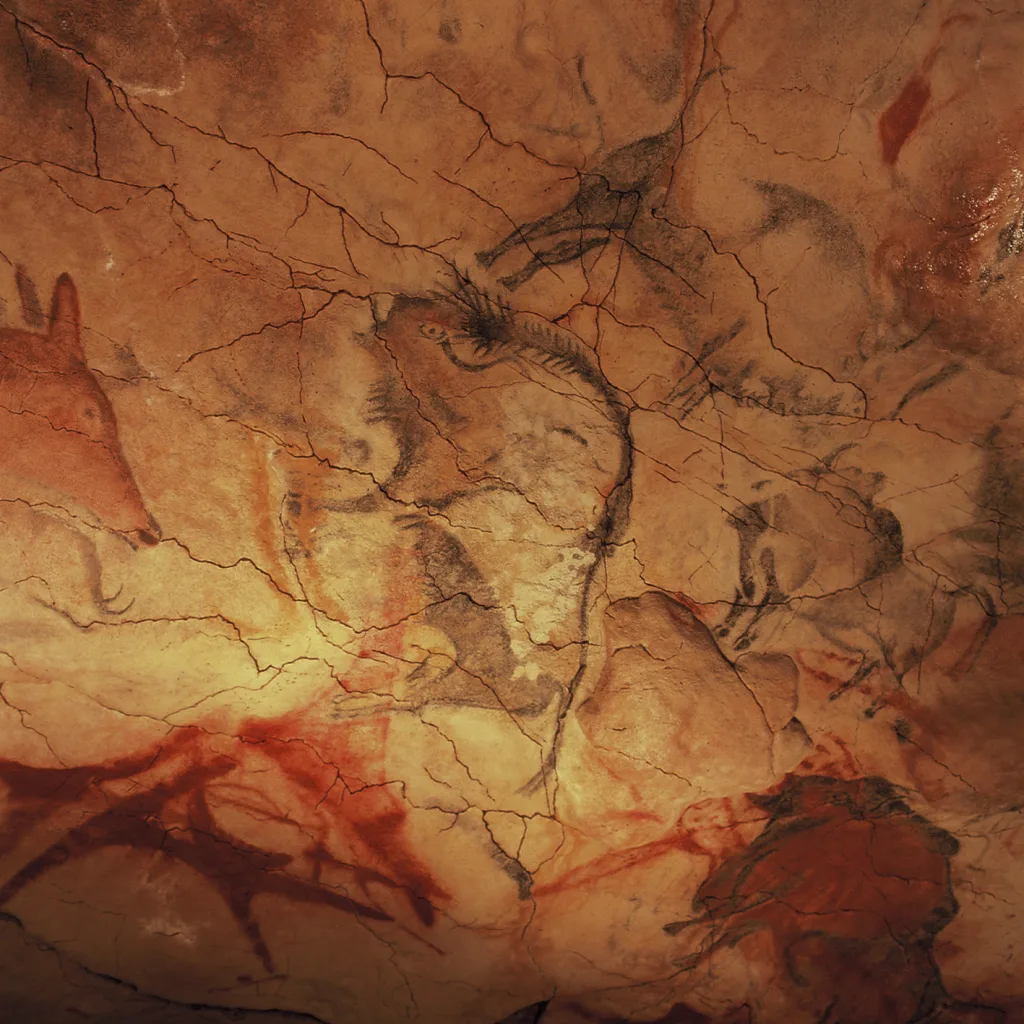
Imagine in your own mind, our ancestor. It could have been a man, could have been a woman. We’ll never know. Our ancestor crawling on his belly in a cramped space, in pitch darkness, with a flickering light of burning animal fat, painting these marvellous, wonderful paintings.
I’ve always thought there’s a profound message in that image. What that image shows to me is the striving of humanity, the striving of the human race to get out of darkness and into the light. A striving to understand nature, the beauty of nature, the wonders of nature.
Of course, in those days, it was closely linked to primitive religion – I won’t go into that. But the idea that art is not necessary is not true.
Art and revolution
It’s true that art changed many times. I’ve dealt with the way in which art develops in different societies before. I won’t go into that. But it’s always played this central role.
Particularly in a revolution, this comes forth. As I said, you can see this in embryonic form in any strike. A strike, as Trotsky explained, is like a revolution in miniature. All the elements you see in a revolution, on a big scale, you can see in any strike, in embryo, as potential.
In a strike, things change very quickly. People acquire consciousness. Workers that were previously backward and inert and had no interest suddenly become very interested, very involved, very militant. Very often they’re more militant than the so-called advanced elements, the cadres, as we might call them.
I sometimes say – don’t quote me – but I say nonetheless: God preserve us from the cadres. I don’t really mean that, not really. Genuine cadres are fine and necessary.
The type of person I’m referring to is an arrogant person. A person who imagines that they are leaders because they’re leaders, and because they’re in offices, and because they’re full-timers or whatever. They think that they’ve got the right to decide and that the workers are basically not conscious. They show contempt for the workers.
Frequently you find that things become transformed into their opposites. What was formerly backward becomes very, very advanced. What was formerly very advanced becomes hopelessly inadequate.
By the way, the Bolsheviks were hopelessly inadequate. Not Lenin, not Trotsky, but the Bolsheviks in Saint Petersburg certainly were miles behind.
For example, in February, when the women wanted to come out onto the streets and start the movement, they said, ‘No, no, don’t do that. We’re advanced, we know. Don’t! You’ll be shot down, you’ll be repressed.’
The women said, ‘Thank you very much, goodbye’. They came out anyway and they dragged the men after them.
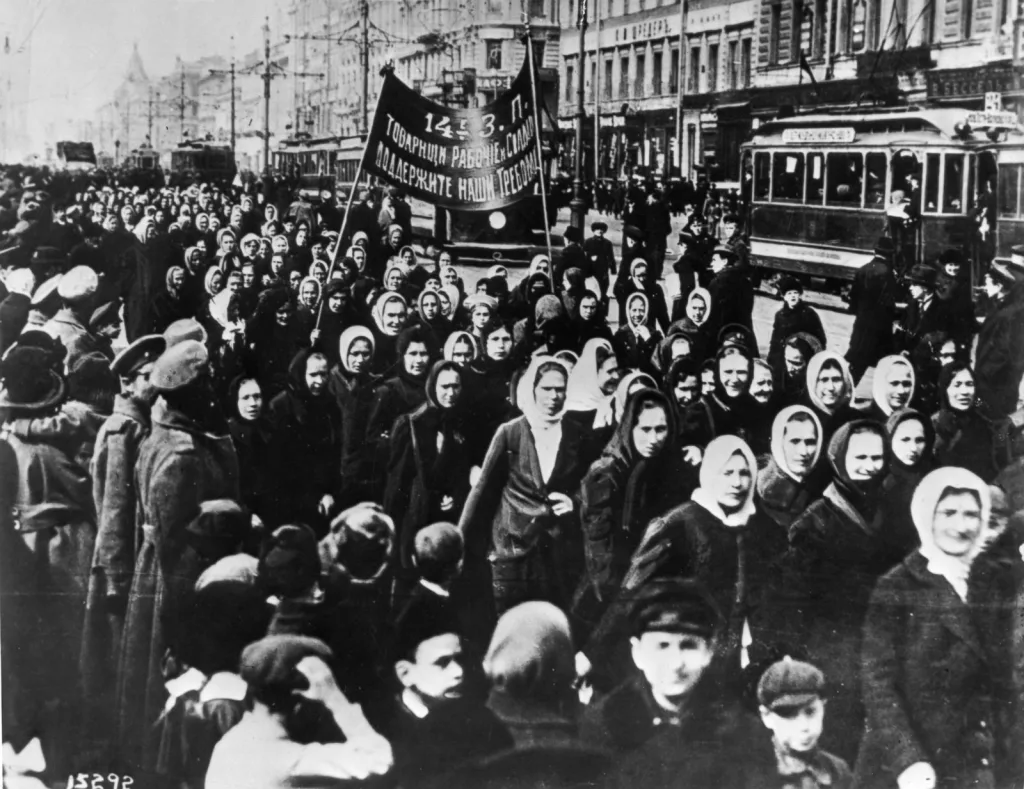
Incidentally, it’s not an accident that in every revolution in history, a leading role was played by the women.
Think of the role of women throughout the whole of history – that’s a separate subject, but just consider it. If you can express that in a few words, it’s this: the slave of a slave. Nothing worse than that.
Therefore, when a woman really becomes active, comes out of the kitchen, away from the kids and into the real world of struggle, onto the factory floor, they very quickly become the most advanced class fighters. Class conscious, not feminist. Class-conscious fighters.
I’ve seen this many times. Better than the men, actually. Why? Because in all these cases, they suddenly feel the collective power of our class. Not our women, or our men, or our blacks, or whatever. No, our class. Uniting all sexes, women, men, black, young, old.
The power of unity, the collective power of the proletariat. That’s the thing. Nothing else is any good. The rest is a deviation. It divides the workers and it’s no good.
They feel the collective power. And they feel, for the first time, ‘I can change things. We don’t have to live like this. We don’t have to accept these impositions. We don’t have to accept these bosses. We can change things.’
With that, they cease to think like slaves; miserable, downcast, backward slaves. They begin to think like true human beings with a mind, with a soul, with interests, with a desire for knowledge. With the desire to know things which they didn’t know before.
That is the essence. It’s not a secondary question.
The Reformation and the Renaissance
You see this in every revolution in history.
Let’s go back straight to the Reformation and the Renaissance. Marvellous. It means ‘reawakening’ – after centuries of a dead art.
Art requires something. Art needs to be free. The artist must be allowed, must feel free, to express everything that’s inside his soul, his heart, his inner meanings, how he reacts to life.
A true artist must reflect life, somehow. Not the petty, stupid problems of individuals and individual petty lives. Who’s interested in that? We’re interested in the big questions.
But art was oppressed. Art was never free. Egyptian art was not free. That’s why it didn’t change very much for a thousand years. There were some changes, but broadly speaking, it remained much the same.
Why? Because it was religious art, and the artists were controlled by the priests. They told them how to create sculptures and so on.
The same was true of Feudalism. Art was controlled by a dictatorship, the dictatorship of the Roman Catholic Church. You depart from that, you get burned at the stake as a heretic. Nice people.
Therefore, the revolt of a new society – which could only be a capitalist society at that stage – necessarily began as a cultural struggle, as a religious struggle, because all of culture was religious.
The only people that could read or write were the priests, who wrote in Latin. It was a very revolutionary step in England and Germany and so on when people began to write in their own language, in English and in German.
Martin Luther. He’s got his bad side. But he was a very courageous man. He was a revolutionary. He was a rebel. He rebelled against the church, and could have paid with his life, like many, many others did.
But Martin Luther was not just a rebel. He had a profound impact on German culture. He translated the Bible into German. That was a revolutionary act. And it is said – I think it’s probably true – that Luther invented the modern German language. That’s a great achievement.
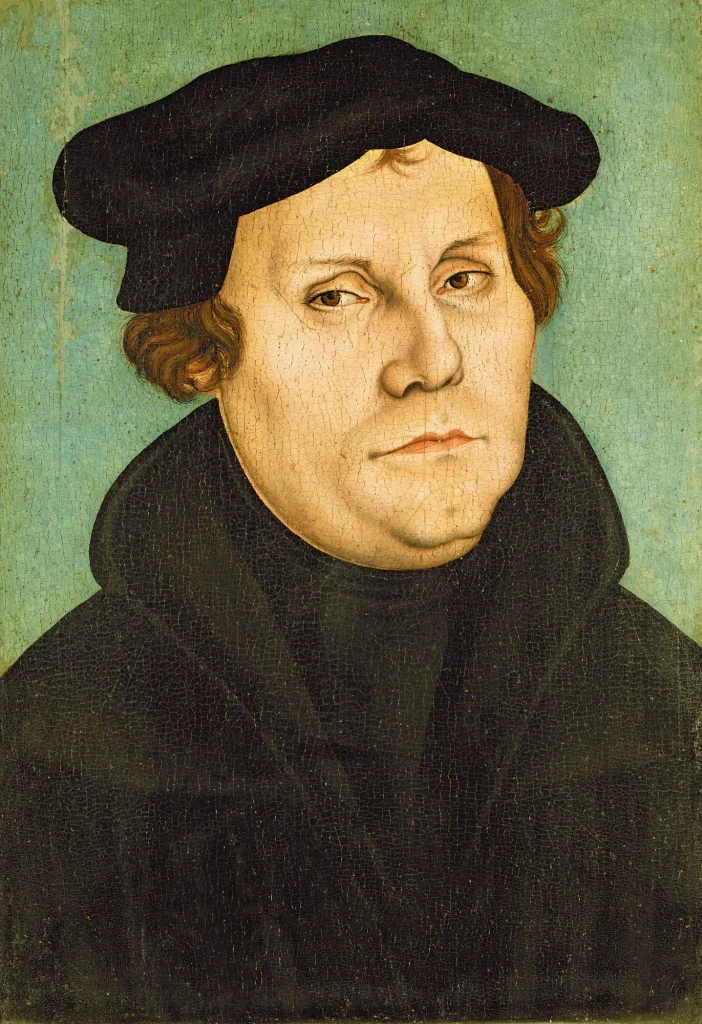
Among the many hymns and poems which he wrote, there’s one remarkable hymn. I love this song, so did Engels. He described it as La Marseillaise of the 16th century. A marvelous hymn called Ein Feste Burg.
Do the German comrades know this hymn? Put your hand up. And the Austrians. No, the Austrians are Catholics. They wouldn’t know.
You know, I often say, look, Ana and I are both atheists, but she’s a Catholic atheist and I’m a Protestant atheist. There is a difference.
You don’t know Ein Feste Burg? Was passiert hier? [What’s going on?] Was ist los mit den Deutschen? [What is wrong with the Germans?] Schreckliche Bösewichte. [Terrible villains].
Jesus. Luther, forgive them, for they know not what they do.
I’ll sing it:
“Ein feste Burg ist unser Gott,
ein gute Wehr und Waffen.”
Got it? Let’s try it in English:
“A safe stronghold our God is still,
a trusty shield and weapon;
he’ll keep us clear from all the ill
that hath us now o’ertaken.
The ancient prince of hell
That’s the Pope!
hath risen with purpose fell;
strong mail of craft and power
he weareth in this hour…
[…]
A word shall quickly slay him.”
The final line is, “A word shall quickly slay him”. He can be powerful as he likes. But a word will quickly slay him.
This is revolutionary talk. Rise up against the dictatorship of the Catholic Church! Wonderful stuff. I find it a very moving thing. This is the spirit of revolution. Early revolution, sure. Dressed in religious clothes, yes. But revolution nonetheless.
The Dutch Revolution
Out of that comes the great Dutch Revolution, about which not much is written. That’s a shame because that was the first real bourgeois revolution, you know, the Dutch Revolution.
The reason people don’t understand that is because it took the form of a national liberation war against Catholic Spain by the Dutch Protestants.
It went on for many years, for decades, a terrible, bloody business. Nice people, these Catholics.
At one stage, Philip of Spain actually pronounced the death sentence on the entire population of the Netherlands, with exceptions. It was a crime punishable by death to have a Bible in your house.
And what deaths? If you were caught by the Inquisition as a heretic and you confessed your sins, renounced Protestantism, and accepted the Catholic Church, then the church was generous. The men had their heads chopped off, and the women were buried alive. Nice.
After this terrible struggle, the Dutch, the Netherlands, succeeded. That was the first bourgeois revolution. And the point is this: look at the wonderful outburst of art and culture that exploded out of the Netherlands at this time. A great revolution in painting.
Even the subjects of the paintings are interesting. The people passed through terrible war and suffering and killing on a mass scale. Now the Dutch Calvinist bourgeois wanted peace and quiet. Therefore, the art is full of tranquil, peaceful scenes, still life, all these kinds of things. Wonderful paintings.
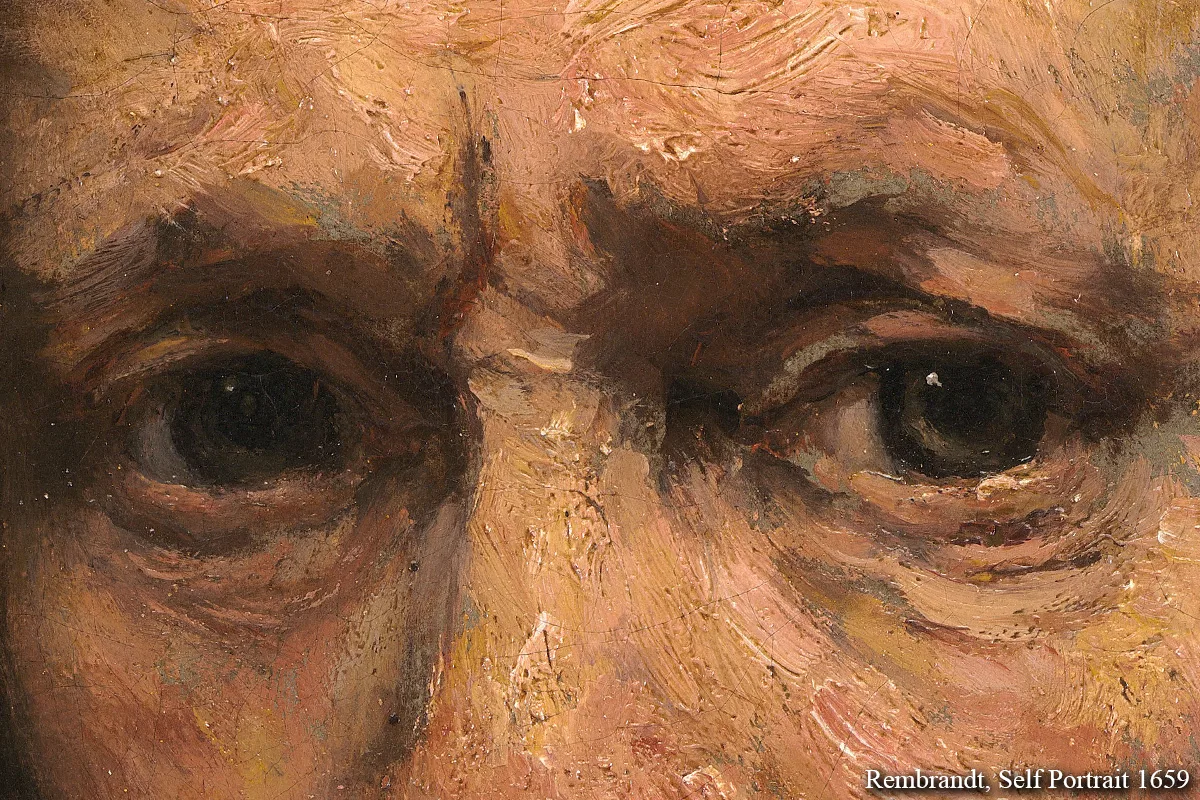
Arising out of this art is one of the greatest geniuses that ever lived. Rembrandt, a wonderful genius. Here the individual suddenly appears. He did self-portraits; you can find some of them in London or in Amsterdam; there’s a wonderful museum.
And you see there a picture of the artist as an old man, worn down by all kinds of problems. Wrinkled face, gray hair, red eyes, and so on. Wonderful. You feel you could speak to this man.
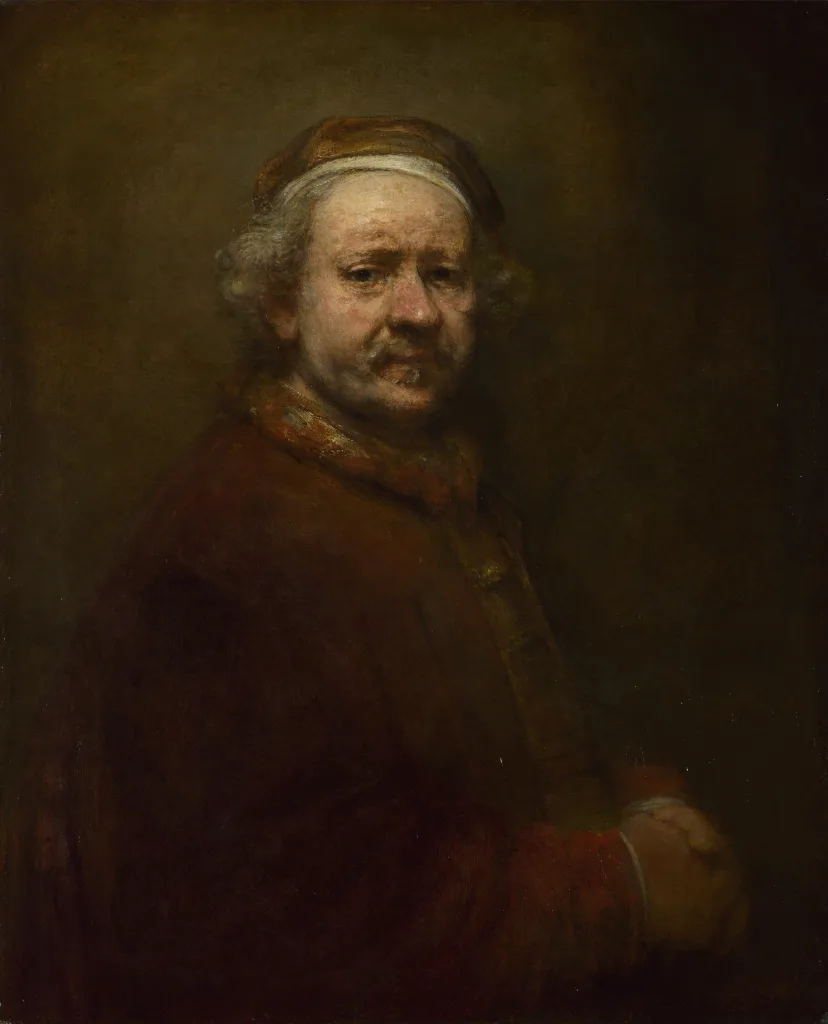
A great artist. But Rembrandt was the son of a miller. Only in the Netherlands could that occur, could someone rise to that level of fame.
Of course, that had a profound effect. The Netherlands had a profound effect on England.
The English and French revolutions
Then you had the English Revolution, about which eventually I would like to write something, if I’ve got the time.
The English Revolution was characterised by an explosion of pamphlets. They didn’t have newspapers. They had pamphlets like little books, revolutionary pamphlets, particularly by a great revolutionary, communist, Gerrard Winstanley. They wanted to turn the world upside down. And there was a thirst for these pamphlets.
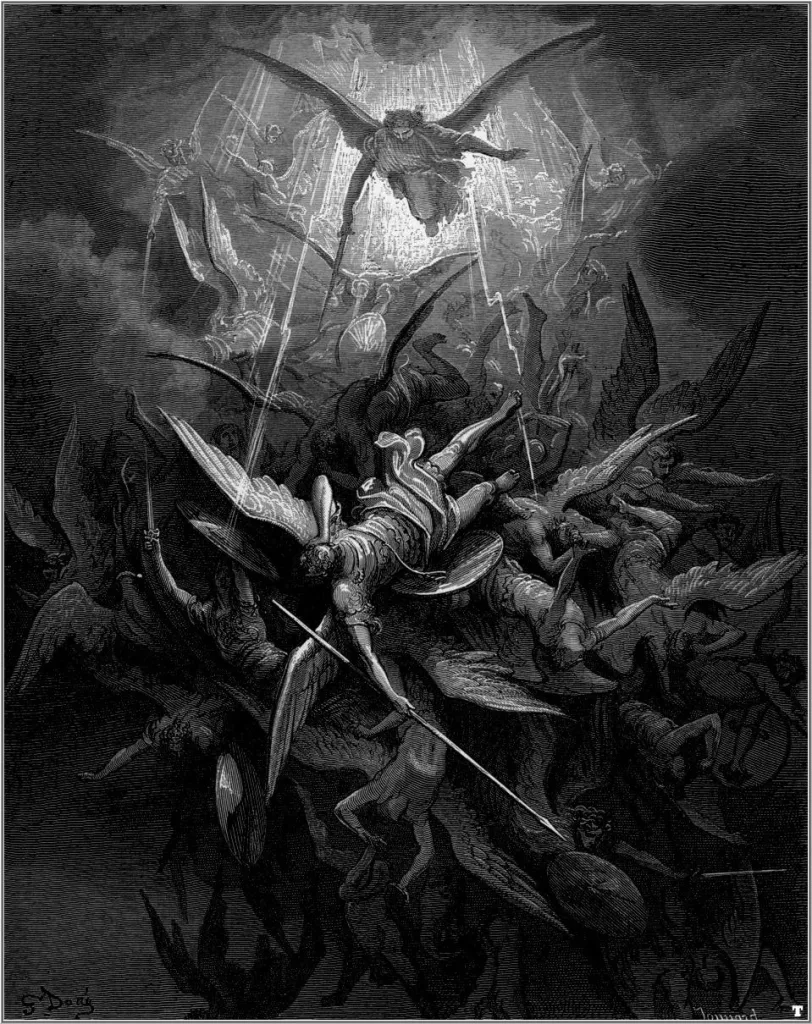
John Milton, the great English poet, was a minister in the revolutionary government of Cromwell. How he escaped with his life afterwards is not quite clear. He managed to escape. He was persecuted.
His great sublime work, the greatest poem in the English language, Paradise Lost, is a struggle between God and the devil. The devil comes off quite well, actually. The devil’s a far more interesting character than God, that’s for sure. But this is really a camouflaged version of the struggle between right-wing monarchists and the Puritans.
Of course, above all, there was the great French Revolution. That was really fantastic. You can see here the fear of the bourgeois of revolution; they’re terrified. That goes for the so-called historians. You will not find a single bourgeois book that’s worth reading about any revolution, not one. Behind them, there’s always some slander, particularly for the French Revolution.
They can’t control their anger when they write about it. ‘Oh, look at these bloodthirsty monsters, the guillotine, the murderers.’ Yeah, sure. The French Revolution was a glorious act of social emancipation and cultural emancipation. It was tremendous. And it exploded like a tidal wave that swept throughout Europe, clearing out all the feudal rubbish, all the accumulated cobwebs, dust, and filth.
The French Revolution inspired people like Hegel, Goethe, and Beethoven, the real father of modern music, in my opinion. Beethoven’s Fifth Symphony is the French Revolution in music. Beethoven was a revolutionary, but that’s another subject.
In England just across the channel, the French Revolution had a tremendous impact on the masses, actually, and also on the intellectuals. And on the ruling class, who viewed it with unalloyed horror, terror. They conspired to destroy the revolution, and they failed.
Above all, though, it had an effect on inspired young poets like Shelley, Wordsworth, Byron, and Robert Burns, the great Scottish poet. How I love Robert Burns, a real revolutionary, a wonderful poet.
William Wordsworth was a young man when he went to France. He saw the revolution. And he wrote a very long poem called The Prelude. Interesting title. The Prelude. Prelude to what? It contains two lines that, in my view, express a revolution better than anything else.
Bliss was it in that dawn to be alive,
But to be young was very heaven!
Very, very, very profound and moving lines. And yet, of course, the dirty bastards that write histories and make programmes about the French Revolution, what do they say? ‘Oh, it’s drenched in blood. They were bloody monsters. The guillotine! They’re murderers. They killed the king and queen.’
It was, like all great revolutions, a tremendous act of social and cultural emancipation. The liberation of the soul. Never mind about the mind, the soul was liberated.
And they proved it subsequently, when the revolutionary armies marched through Europe, having a tremendous effect. Even under that gangster Napoleon, in a distorted form, like Stalin, who distorted the Russian Revolution.
The Russian Revolution
Let’s come to the more modern epoch.
The October Revolution of 1917 was the greatest single event in the whole of human history.
Why do I say this? Because here, for the first time in history, the masses – that is to say, the millions of ordinary men and women, workers and peasants – overthrew this monstrous, oppressive regime of tsarism. And at least they began this great historical task of the socialist transformation of society. They began it.
The fact that it ended as it did, that’s a separate discussion. But nobody can take away from the Russian people, the Russian workers and peasants, this colossal success, the colossal victory that they had.
And that meant an awakening, a colossal awakening of the whole of society. Revolution stirred society up to the lowest depths. Millions and millions of former slaves, backwards, oppressed slaves, people who can’t read or write, suddenly erupted onto the stage of history and occupied the centre of the stage.
What was the effect of that on culture? Russia already had a great culture, even in the 19th century. Wonderful writers like Tolstoy, Dostoyevsky, Gogol, many others. Composers like Tchaikovsky, Rimsky-Korsakov, Rachmaninov.
During the revolution, the intelligentsia was split like all other classes. Some sided with the counter-revolution, like the poet Gumilev, who was killed. Others fled abroad.
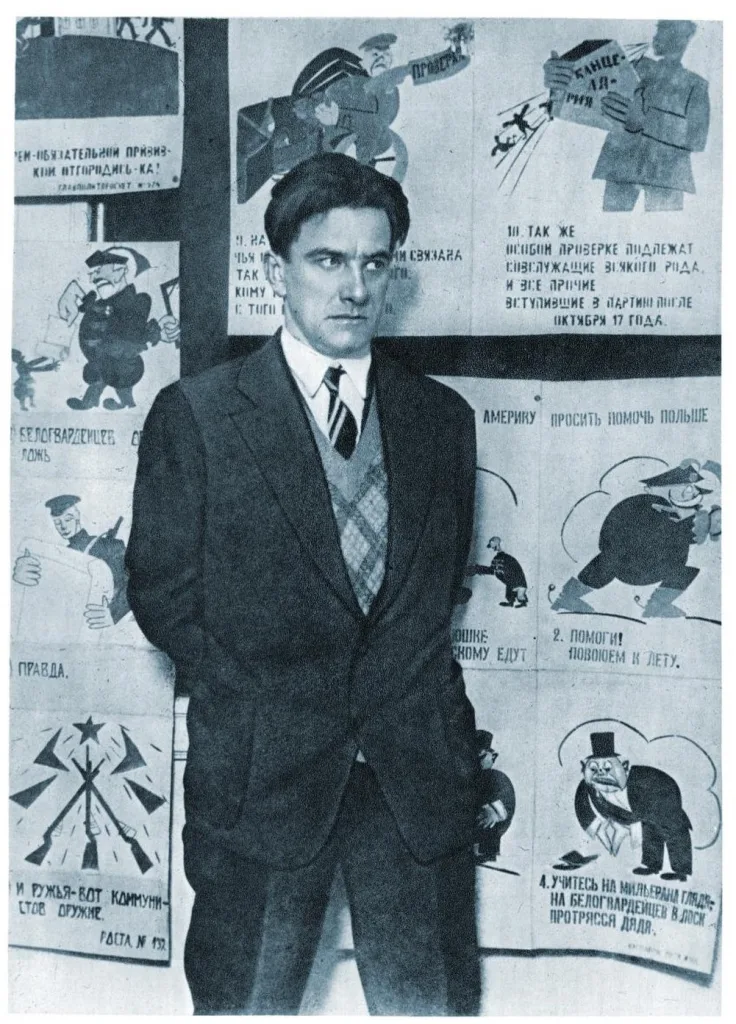
But the bulk of the intelligentsia, the living forces of society, embraced the revolution with all their heart, with all their soul. And you get a galaxy of great names: Larionov, Mayakovsky, Meyerhold, Shostakovich. The list is endless. It was a great awakening.
Now, as I said earlier, I’ve seen revolutions. Every one of them had a profound effect on me, personally. But there was one thing in my life which, more than anything else, expressed the real nature of a revolution.
In 1970, I was in Moscow University. It wasn’t easy to contact Russians in those days. But I accidentally made an acquaintance. I met this old lady. She happened to be sharing a flat in Moscow with a friend of mine.
It turned out that she had been a member of the Bolshevik Party at the time of the revolution. I think she’d been a schoolteacher on the Volga or someplace like that. And this woman had spent 14 years in one of Stalin’s concentration camps, one of these hell holes. It must have been a terrible experience. But she would never speak about that.
And this old woman, she was bent double, her face was full of wrinkles, and the suffering was etched on her face. She never spoke very much. But one day, I worked up my courage because I didn’t know this woman. I asked her the question. What was the revolution like?
I’ve never seen such a transformation on the face of anybody. This poor, oppressed, downtrodden woman, aged with the stress of age, her face changed.
She became young. It might be my imagination. The wrinkles seemed to disappear. Her eyes shone. And her voice was transformed. And she said, ‘Oh, you can’t imagine it. You can’t imagine what that was like.’
And then she said, in Russian, a word which is difficult to translate. “Подъём [Kakoi podyom].” What an uplift. “Подъём” – I would translate as almost a spiritual uplift, of the masses of everything.
And at that moment, her face changed again, and she said almost in a whisper, not even looking at me, looking out of the window, “Not like now.” And again she became old.
And in that brief exchange said more to me than any amount of books. There I came face to face with the reality of a revolution, the true reality of a revolution.
I can’t go into the details, but here were many great ideas, a whole school of ideas; experimentation in art, in music, in painting, in poetry.
There was the great Russian poet, Mayakovsky. You heard of Mayakovsky? You read Mayakovsky?
Hands up those who’ve read Mayakovsky. In Russian? [Very few hands rise]
Then you’ve missed the point!
Mayakovsky was a member of the Bolshevik Party. A genuine revolutionary.
When I was very young, I learned one of his poems by heart. It’s called Our March – Наш марш – and it describes a revolutionary march. I’ll say to you, with your permission. I’ll say it with apologies to the Russian communists for my terrible Russian.
Listen to how it sounds. It sounds like a revolution. It sounds like a march:
Бейте в площади бунтов топот!
[Beat on the street the march of rebellion,]
Выше, гордых голов гряда!
[sweeping over the heads of the proud;]
Мы разливом второго потопа
[we, the flood of a second deluge,]
перемоем миров города.
[shall wash the world like a bursting cloud.]
Дней бык пег.
[Days are a bright steed.]
Медленна лет арба.
[Years drag glum.]
Наш бог бег.
[Our great god is Speed!]
Сердце наш барабан.
[Our heart a bellowing drum!]
The last line means our heart is a drum. Your heart is thumping with anxiety. “Our heart a bellowing drum”. Wonderful. This is great stuff.
Mind you, I have to tell you Lenin did not like Mayakovsky. Like myself, Lenin was basically conservative in his literary taste.
He got quite indignant when somebody said to him that they were going to issue a large amount of paper, which was scarce, for one of Mayakovsky’s poems. He said, “What!? We’re going to waste our precious paper on this stuff?” And then they explained to him, “The thing is, the workers like this poetry.” And he said, “Well, okay. In that case…”
No, but it’s true. What you must understand is there were meetings to listen to poetry. Thousands of workers and peasants and soldiers were listening to this poetry with enthusiasm.
The Bolshoi Theatre, famous for its opera and ballet, rightly so, was full of workers in their overalls from the factories, of soldiers in their greatcoats straight from the front line. And they sat there or stood there listening to this wonderful music that they never heard before, seeing these visual marvels of these operas and so on, seeing a world they never dreamed existed. It must have been like living in a dream.
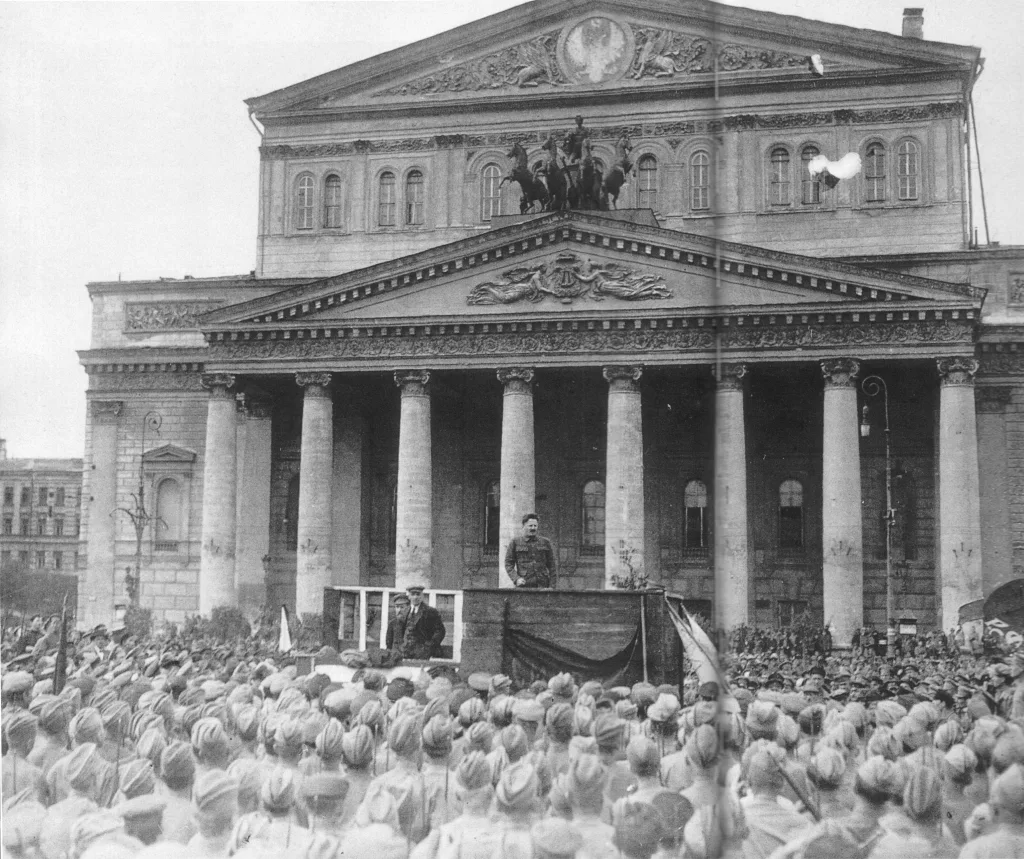
That’s the essence of a revolution. That’s where art becomes fused with the revolution. Why? Because it expresses real art and real poetry. Expresses something that is really within the heart and soul of millions of people.
Art requires freedom
Of course, all of that wonderful period was crushed under the leaden rump of Stalinist bureaucracy. The isolation of the revolution under conditions of backwardness, and the rise of a privileged caste of officials, who had no time for this.
The Stalinists wanted to end the revolution, put an end to this madness, and reintroduce order. And therefore, these experimentations in art and poetry and so on, which the Bolsheviks not only tolerated, but they encouraged – although they didn’t agree with a lot of it, which doesn’t matter.
For the bureaucrat, for the official, that was a threat. The spirit of bureaucracy is a spirit of soulless routine and order, the order of an office. There was no room for this freedom of criticism and discussion. That was dangerous. The same as workers’ democracy was dangerous and had to be crushed. And was crushed.
Perhaps the turning point was in 1930 when the great poet Mayakovsky committed suicide.
I have not the slightest doubt that his suicide was a protest against bureaucracy and Stalinism. If he hadn’t committed suicide, he probably would have been killed anyway. And therefore that was the end of a marvellous period.
Now, there are many things [about] which much more I could say. But what about art now?
I have said that art requires freedom. The artist or the poet must be free to express all that’s within himself.
That was crushed by the Catholic Church in the Middle Ages. It was crushed in the 20th century by totalitarian dictatorships – both Stalinist and fascist. And it’s still crushed today by a new form of dictatorship, the dictatorship of money, the dictatorship of capitalism, which is hostile to art by its very nature.
And yet, art is flourishing. Yeah, sure. Works of art sell at enormously high prices. In fact, the art market is, after drugs, the biggest unregulated market that exists. It’s billions and billions of dollars every year, perhaps trillions, I don’t know.
Now just think for a moment. Vincent van Gogh – again, one of the great artists of all time – you know how many paintings he sold during his lifetime? Not a single one. Although he was helped by his brother, who was an art dealer, actually. Not one. And he died in the direst poverty. Now his paintings sell, if they do sell, for billions of dollars.
But you know, there was one art critic I particularly like. He’s dead now unfortunately. An Australian, Robert Hughes. A very good writer. He said the following: ‘The reason why a painting’s art price is so high is not because the art is good. It’s because investors consider that it gives them a quick profit.’ And that’s true.
Most of these paintings now that are bought by investors in Sotheby’s and so on. Where do they go? Are they put on display for the public to enjoy? No. They disappear into a bank vault where they’re locked up because these paintings are now commodities.
In the time of the Renaissance, you had people like Lorenzo the Magnificent in Italy, and the Medici in general. They financed art. They bought art. Yes, sure, they bought paintings. But they themselves were cultured men. Lorenzo himself was a poet. And he subsidised Leonardo da Vinci for seven years.
That’s not the position now. The whole of the art world is rotten. It’s rotten. And it’s a symptom of the senile decay, the degeneration of capitalism.
Look, in the past, there were great artists whose art meant something. Art must mean something. Or why produce it?
Francisco Goya
Take Goya, my favourite artist. The Spanish artist of the 18th and 19th century.
He did marvellous paintings. But very terrible paintings, because Spain passed through a very terrible period of slaughter, of murder, of oppression, and French rule. And he clearly showed the reality of these terrible things in his paintings. They’re frightening paintings.
You can see these in Madrid, in the Prado.
It’s a marvellous museum. Particularly, I like the paintings of Hieronymus Bosch. I wrote about this. The Dutch painter of the Reformation period. If ever you want a picture of hell, you look at the paintings of Hieronymus Boss. Very frightening paintings. It’s a frightening vision of hell on Earth. Because that was the life that people were living through at that time.
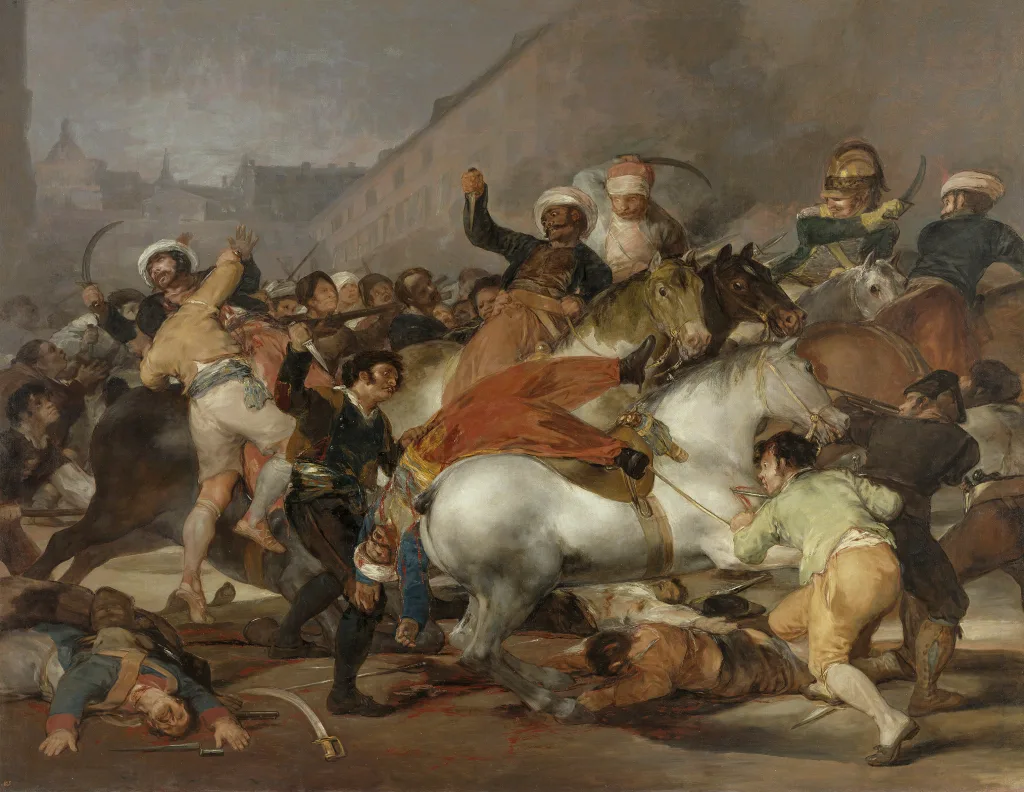
Goya had two masterpieces. They’re in the Prado. The heroic people of Madrid rose up against the Spanish army of Napoleon with knives, hatchets, anything. They attacked the Spanish troops, and they were slaughtered.
Goya actually went onto the streets. He saw this. He saw what was happening. He saw the blood and the dead people and so on. And he produced two marvellous paintings.
One was the ‘2nd of May 1808’. It shows a desperate struggle between an Arab mercenary on a horse trying to kill this desperate revolutionary who’s trying to stab the horse. A terrifying picture of desperation, of desperate struggle.
The other painting shows the repression afterwards. The firing squad, you see their backs. It’s in the night. All this is black. You see their backs shooting these unarmed people. The blood is on the floor. You could taste the blood. You could smell the blood.
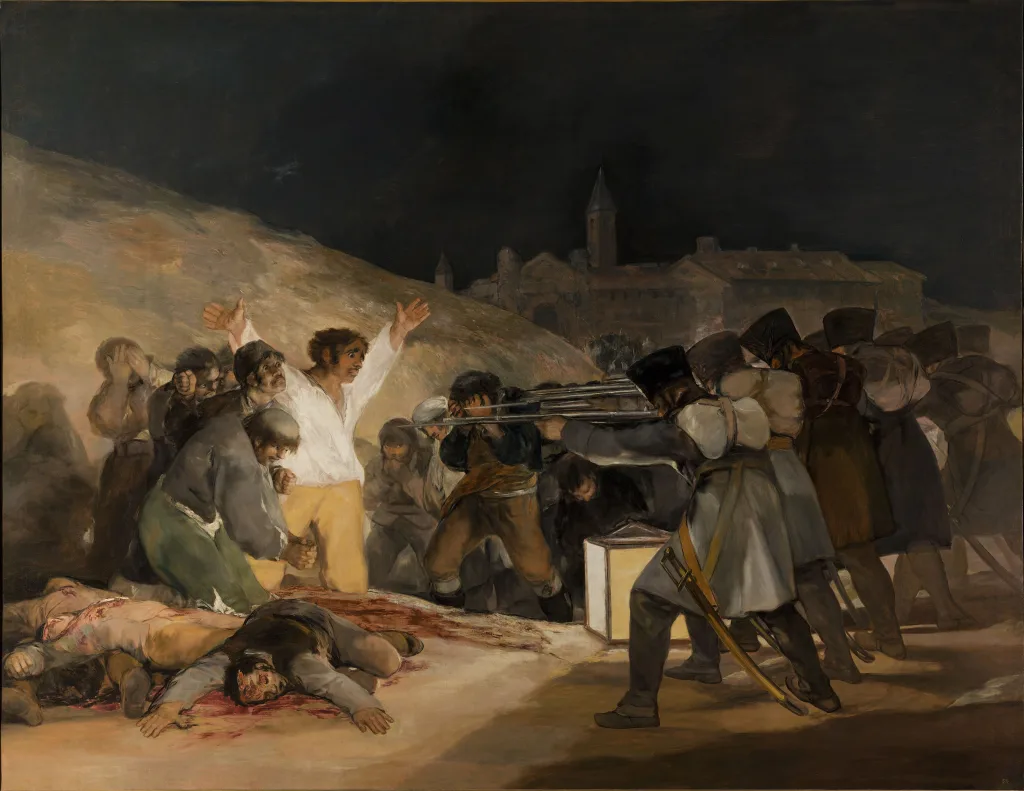
The man in the centre of these victims, he’s got a white shirt, and he’s holding his arms out as he’s shot dead, like Jesus Christ on the cross.
Later, he also made another series called Los desastres de la guerra – The Disasters of War. Again, these etchings are terrifying descriptions of the horrors of war. Showing and denouncing the horrors of war.
And finally, his greatest paintings, the black period. These paintings were not intended for public display. They were done in a house in Spain, painted on the wall. Black, terrible paintings. For example, a dog’s head – just the head of the dog – sinking in a sea of vomit. That’s what it is. The colour of vomit.
Or Kronos – known as Saturn by the Romans – the god of time and old age, eating his own children. That must be the most terrifying painting that’s ever been made. A monstrous figure eating this corpse, with blood dripping from it. Then there are other paintings of witches and the Inquisition.
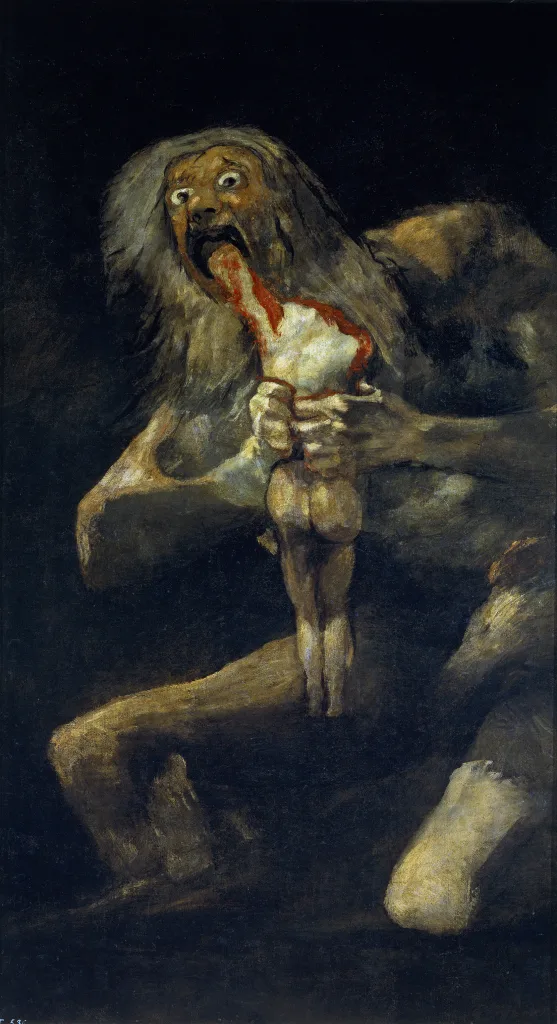
Goya was not painting for money. He was painting things from his own soul, from his own nightmares, from his own dreams, from life.
Emancipating art
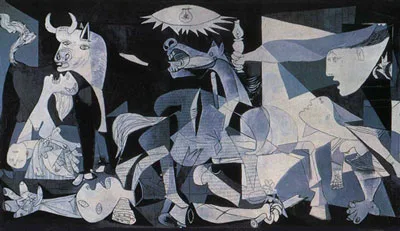
Nearer our own time, look at Pablo Picasso and his marvellous painting of Guernica, which again, is in Madrid. A huge painting, describing the terrible massacre of the people of Guernica, in the Basque country, by Franco’s fascists.
Again, this is a terrifying picture. A horse penetrated by a lance, like in the bullfighter’s arena. A bull bellowing, a monstrous bull bellowing. Dead arms and legs and shattered shields on the floor. And a light flashing, an electric light in the darkness. Horrifying picture.
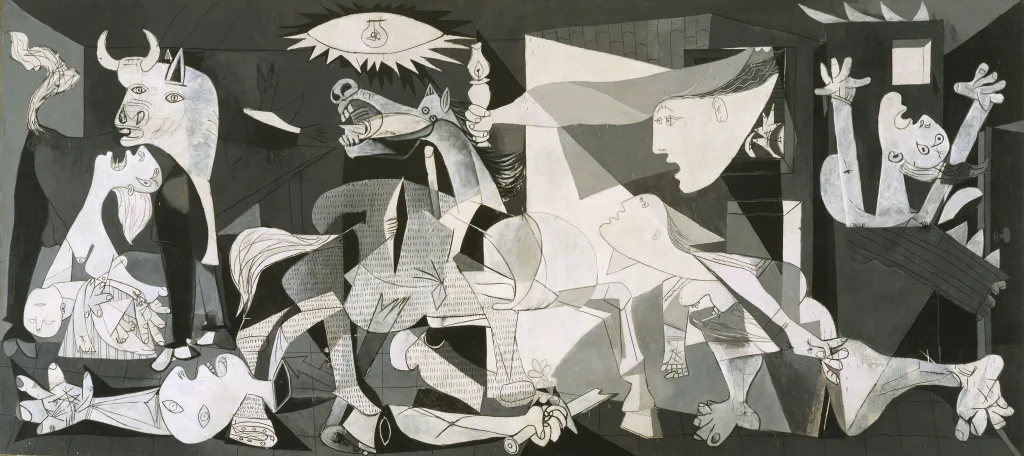
There’s a story, actually. The Germans occupied Paris, and Picasso was working in Paris. The Germans sent around SS men to check what these artists were doing. ‘Degenerate art.’ And the officer came in, looked at this painting, turned to Picasso. “Did you do that?” He said, “No, you did.” I don’t know what the German officer thought of that.
This is art that’s real art, that’s great art, that reflects life.
Look, in our own time. Look no further than the terrible massacre in Gaza. The slaughter of men, women and children. The genocide. Where is this reflected in art? I don’t think it’s expressed at all.
What’s our reaction to this and all the other slaughter and the terrible things that are happening? I’ll tell you.
In Britain, this phenomenon known as Britart. An unmade bed. An unmade bed! I make art like that every morning. Nobody pays me for it. An unmade bed!
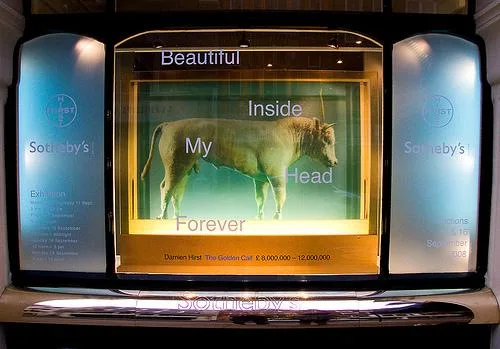
Or Damien Hirst, who’s the high priest of this so-called school of art. A very wealthy man. A shark in formaldehyde. A real big shark, in a glass case filled with formaldehyde. Now, what does it mean? What’s the meaning of a shark in formaldehyde? Well, quite simple: a shark in formaldehyde is a shark in formaldehyde.
To this disgusting trivial level have we been reduced. Don’t make any excuses for this. ‘Oh it’s meant to mean this, it’s meant to mean that.’ Wake up for Christ’s sake. Wake up. A hopeless dead end of art.
And of course, the whole of culture is in a state of crisis. I can’t think of any decent works of music or architecture. Don’t talk about architecture. Let’s leave it there.
Just to say this, the crisis of capitalism inevitably reflects itself in a stagnation and a decay of art. It’s clearly reflected.
And it’s part of our struggle – to come back to my opening remarks – part of the struggle for a genuine communist revolution is the struggle for culture! Against this degeneration, against this prostitution of art, where art is reduced to a commodity, and artists are reduced to the ranks of wealthy prostitutes. Some of them are wealthy, some of them are not. Doesn’t make any difference.
Therefore, we have to base ourselves on the high peaks, the high achievements of world history. We are the defenders of culture, the defenders of the real achievements of the past, which are great achievements. We don’t despise any of this. On the contrary, the new society will be based on the highest achievements of the old society.
But in reality, the only way that art can free itself decisively, and become genuinely free to really develop, will be in a society where it’s no longer dominated by the demands of the market, supply and demand, commodity production.
A society in which men and women are able to rise up to their true level as human beings, not slaves. And where, for the first time in history, all of humanity will be able to participate.
We’ll tear down the barriers which prevent them from attaining true culture. The doors separating the masses from art, science, and government must be torn down, allowing the masses for the first time to experience the glories of art, music, culture, philosophy, and therefore to raise themselves to the level which is demanded by history.
And that is the real meaning of revolution. The real task of communists to carry out this historic struggle, to the point of a glorious final victory.