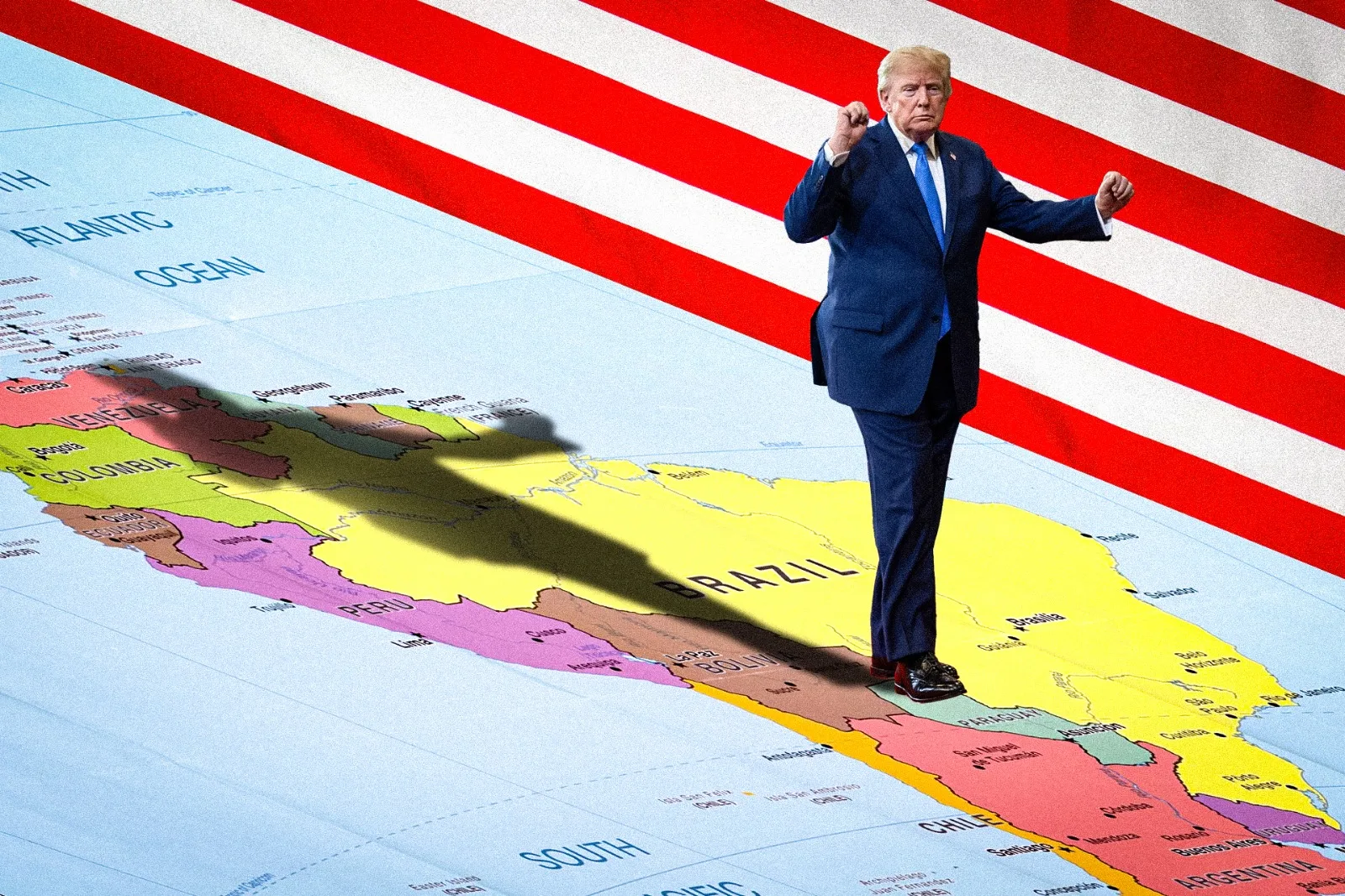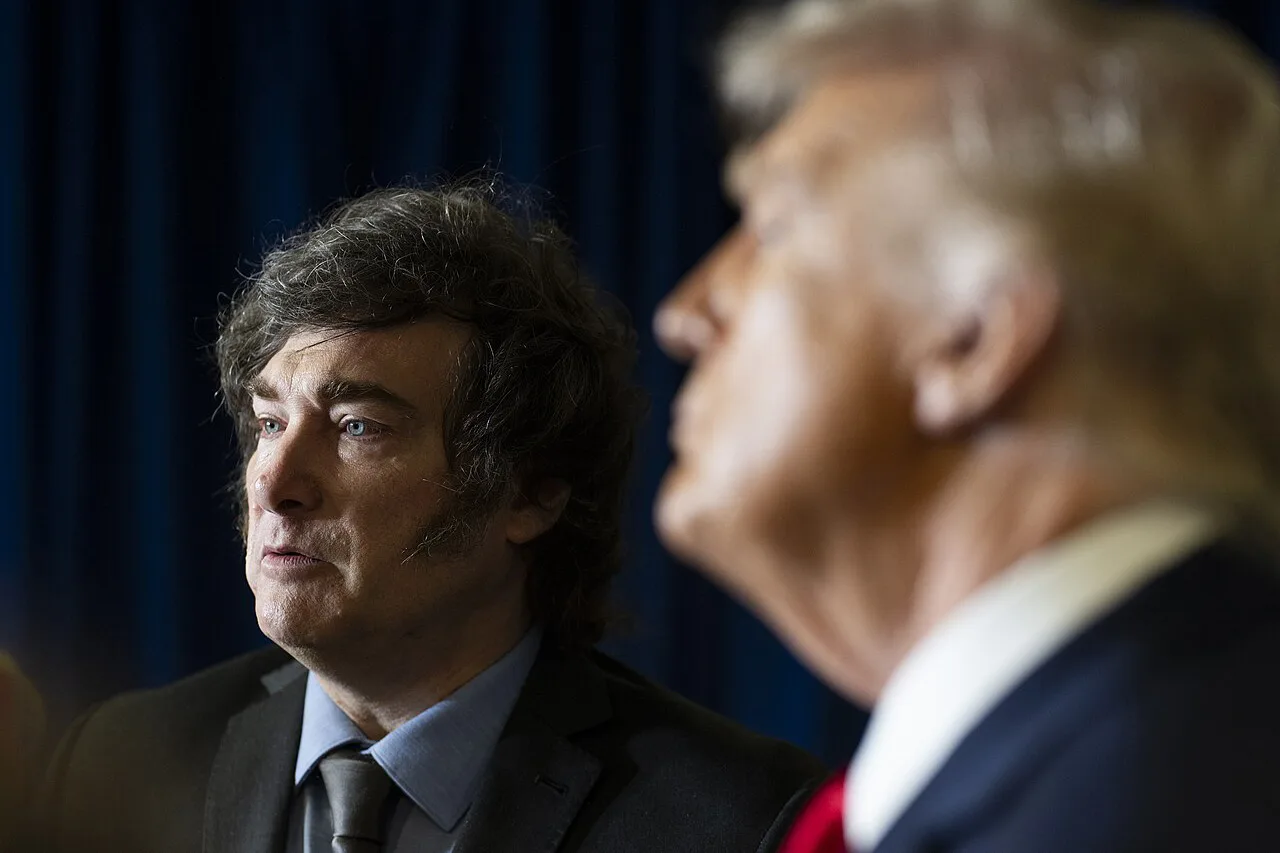
In November 2025, Donald Trump sent a letter to the Paraguayan President, Santiago Peña, congratulating him on his economic management and assuring him that the United States stood by him “100 percent”. Two months earlier, Javier Milei had held up Paraguay as “an example of what needs to be done in economic matters” for Argentina and the rest of South America. In July 2026, Chilean President José Antonio Kast joined in the praise.
Suddenly, Paraguayan capitalism seemed to have become one of the models for Latin America to follow. But on the morning of 4 November, almost half of the Paraguayan population woke up without access to their bank accounts.
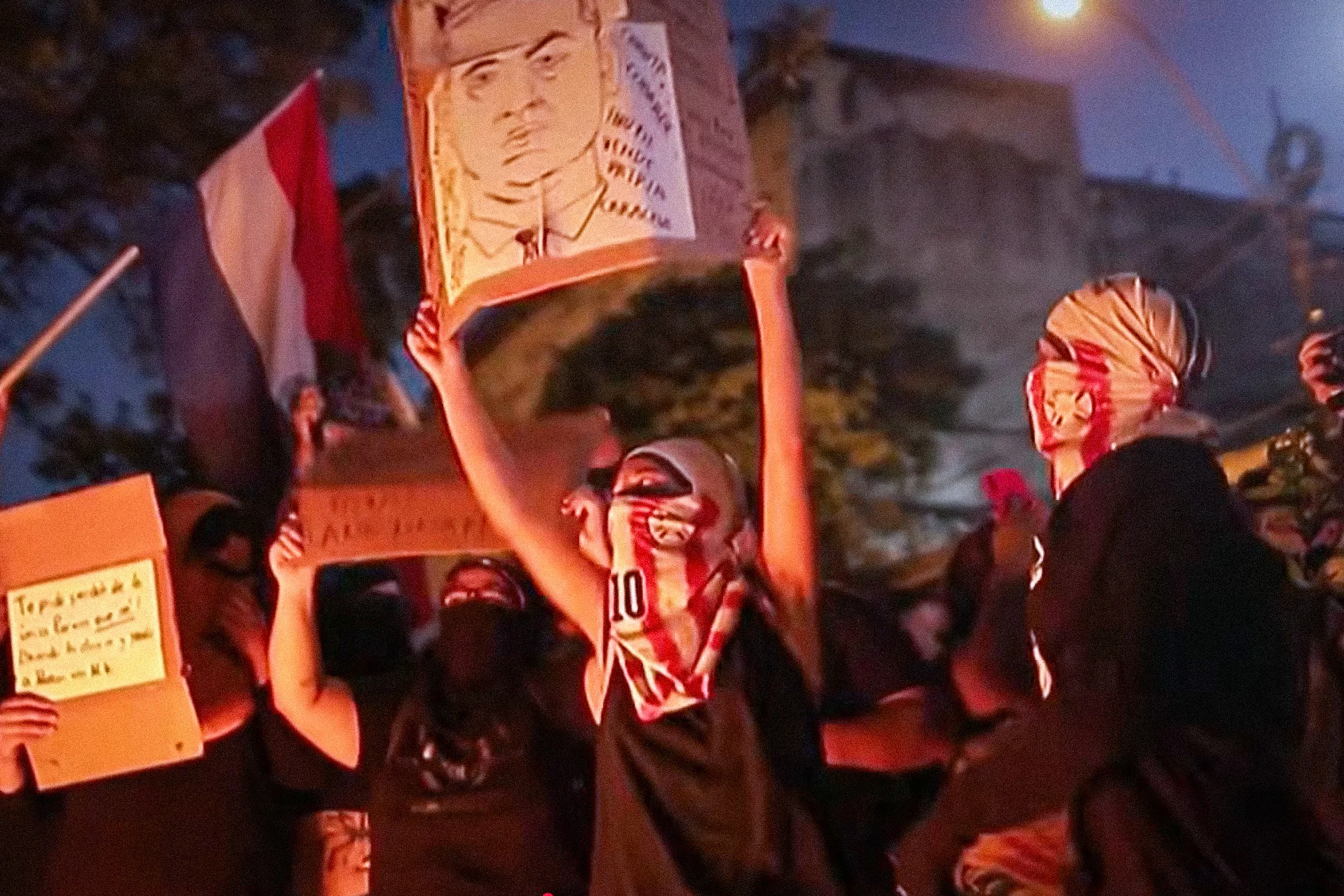
The collapse of Ueno Bank, one of the country’s fastest-growing financial institutions, triggered a political, economic and social crisis that backed the government into a corner. The scandal led to the resignation of the Central Bank governor, protests by workers, depositors and pensioners, and a split within the Colorado Party itself, which prompted Santiago Peña to present his resignation to Congress.
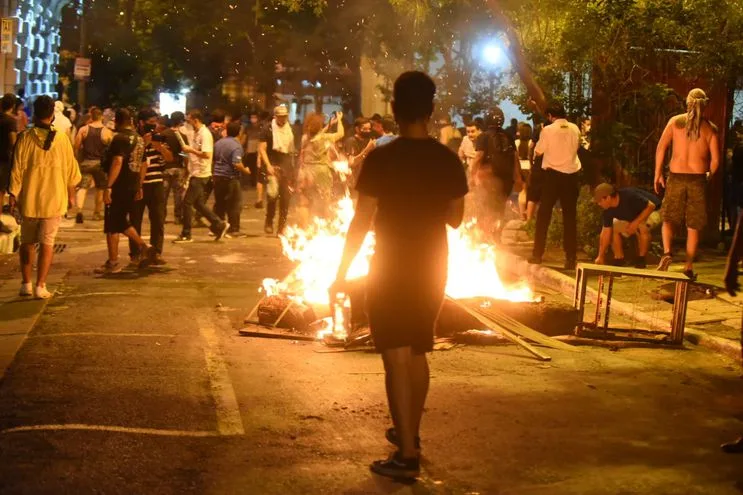
His resignation was not accepted and, on 6 November, the Senate ultimately removed him from office by 44 votes in favour, with no votes against. That very night, Peña was arrested at his home, which was pelted with stones and furiously attacked by demonstrators shouting “Give the money back, thief!” Vice-President Pedro Alliana assumed the presidency and the Colorado Party remains in government for the time being.
Paraguay’s ‘economic miracle’ has turned into a living hell for many families, small business owners and workers who used their accounts to receive their wages, pay their bills and go about their daily lives.
The bank reported having nearly three million customers – a figure equivalent to almost half the population of Paraguay – and managed approximately $850 million in public funds, including significant resources from the Social Security Institute, which is responsible for administering workers’ pension funds and healthcare benefits.
As the protests began, there was a surge in allegations concerning loans to companies linked to the bank’s owners, irregularities in its balance sheets, and the links between major business groups and the authorities responsible for supervising the financial system.
To understand what happened, we need to look at what lay behind that economic stability which Trump, Milei and Kast held up as an example for the whole of Latin America.
The economic structure behind Paraguayan capitalism
Historically, Paraguayan capitalism developed on the basis of a massive concentration of land ownership, agriculture and livestock production geared primarily towards export, and a close reliance on the world market, particularly the markets of Brazil and Argentina. According to the agricultural census, the 1.6 percent of estates over 1,000 hectares in size comprise 77 percent of the country’s total agricultural land.
This extreme concentration of land in the hands of large landowners intensified particularly during the 35-year dictatorship of Alfredo Stroessner from 1954 to 1989. Millions of hectares were unlawfully handed over to military personnel, civil servants, and businesspeople linked to the regime. Land concentration was also one of the main pillars of the Colorado Party’s power.
But this oligarchy does not limit its business activities to agriculture and livestock farming. Its interests extend to trade, industry, finance and services, all of which are closely linked through bank credit and its relations with the state. The Vázquez Group, owner of Ueno Bank, is an example of this network. Its businesses range from livestock and forestry operations to technology, commercial and financial companies.
This growth of large capitalist enterprises stands in stark contrast to the living conditions of the Paraguayan working class, where up to 64 percent of workers are employed in the informal sector. Whilst business owners expanded their enormous fortunes, large sections of the working class – with precarious incomes – have been forced to resort to debt to sustain their consumption, and finance expenses they could not cover with their pitiful wages.
Until the 2010s, 80 percent of Paraguayans didn’t have bank accounts, and kept their savings in cash. But the expansion of consumer credit and financial services brought millions of people into the banking system, without changing the precarious nature of their living conditions.
The biggest scam
Ueno Bank’s track record illustrates how the current crisis was prepared. In 2021, the Vázquez Group acquired Financiera El Comercio, which became a digital bank in 2023 and merged with Visión Banco the following year. In just a few years, a small finance company became one of the country’s leading banking institutions, through aggressive credit expansion, the attraction of deposits – including significant public funds which multiplied during Peña’s government – and its close ties to political power.
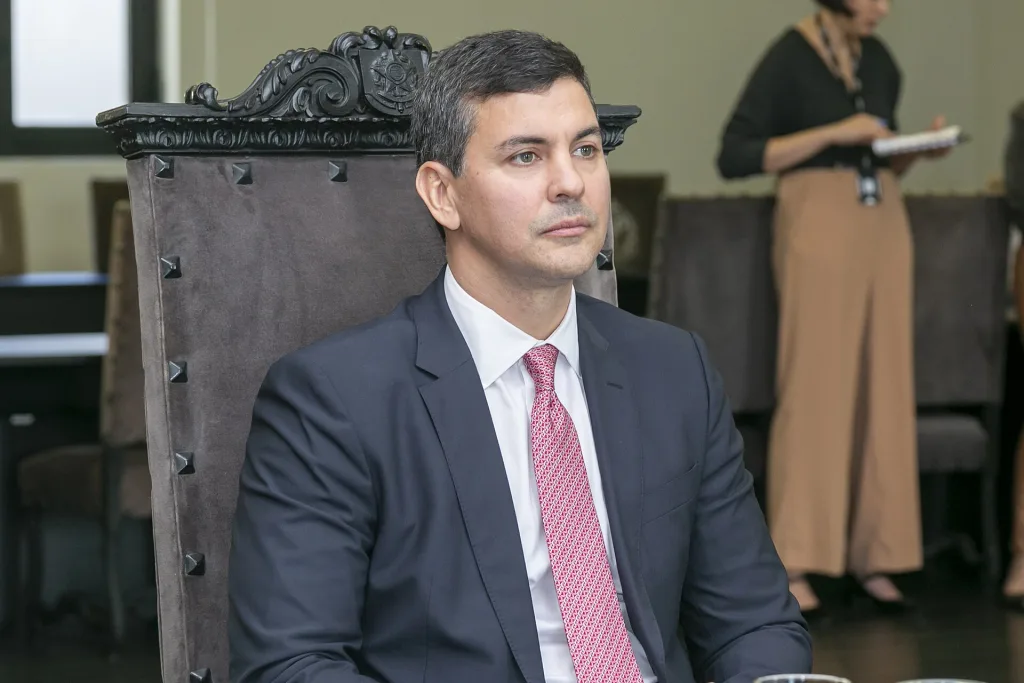
President Santiago Peña himself had been a shareholder in a company linked to the Vázquez Group until March 2025, whilst Carlos Carvallo moved from running Ueno to chairing the Central Bank – the very body responsible for supervising it. But behind this growth lay a build-up of serious financial irregularities and loans worth millions to companies linked to its owners.
When, in the face of the collapse, the Central Bank took over Ueno, its insolvency was laid bare, wiping out the savings of thousands of workers, pensioners and small business owners.
The Colorado Party
The financial crisis has quickly turned into a crisis for the Colorado Party, which has dominated Paraguayan political life for most of the last eight decades.
Its long-standing dominance of the political scene cannot be explained solely by electoral mechanisms or by the ability of its leaders to retain power. Rather, it has material roots in the relationships forged between large landowners, business leaders, the armed forces and the state apparatus.
The Colorado Party formed a key pillar of the Alfredo Stroessner dictatorship. The iron-fisted control of state institutions served to strengthen business groups linked to those in power and to safeguard the continuity of their interests. The fall of the dictatorship in 1989 did not dismantle these relationships, which continued to form one of the main pillars of the Colorado Party’s power.
It is precisely this structure that has allowed the Colorado Party to survive successive political crises and internal conflicts. Peña’s removal from office once again demonstrated this capacity for reorganisation. The Colorado Party’s majority in the Chamber of Deputies blocked the impeachment proceedings against Pedro Alliana, who assumed the presidency, allowing the party to retain power.
Protests and the prospects for the working class
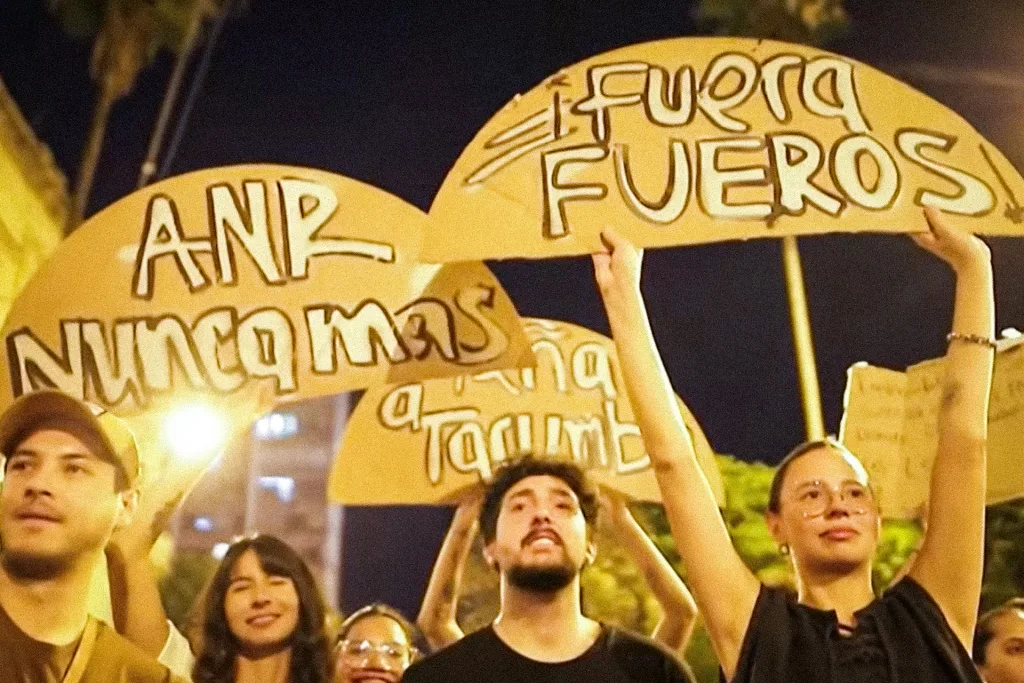
When the freezing of deposits affected numerous users, including workers and pensioners, protests and demonstrations began to be organised. Workers at Ueno Bank itself took to the streets to demand guarantees regarding their jobs.
A key point is that Paraguay has a tradition of explosive mass movements.
In March 1999, the assassination of Vice-President Luis María Argaña triggered a crisis that culminated in the resignation of President Raúl Cubas, following days of clashes involving students, workers and peasants.
In 2017, protests against the attempt to allow Horacio Cartes to stand for re-election triggered a deep political crisis and forced the government to abandon its initiative.
More recently, in March 2021, the disastrous handling of the pandemic, the collapse of the healthcare system and allegations of corruption triggered a new wave of social unrest against the government of Mario Abdo Benítez. What began as demands for medicines and healthcare quickly turned into a movement calling for the government to step down under the slogan ‘que se vayan todos’ (they must all go).
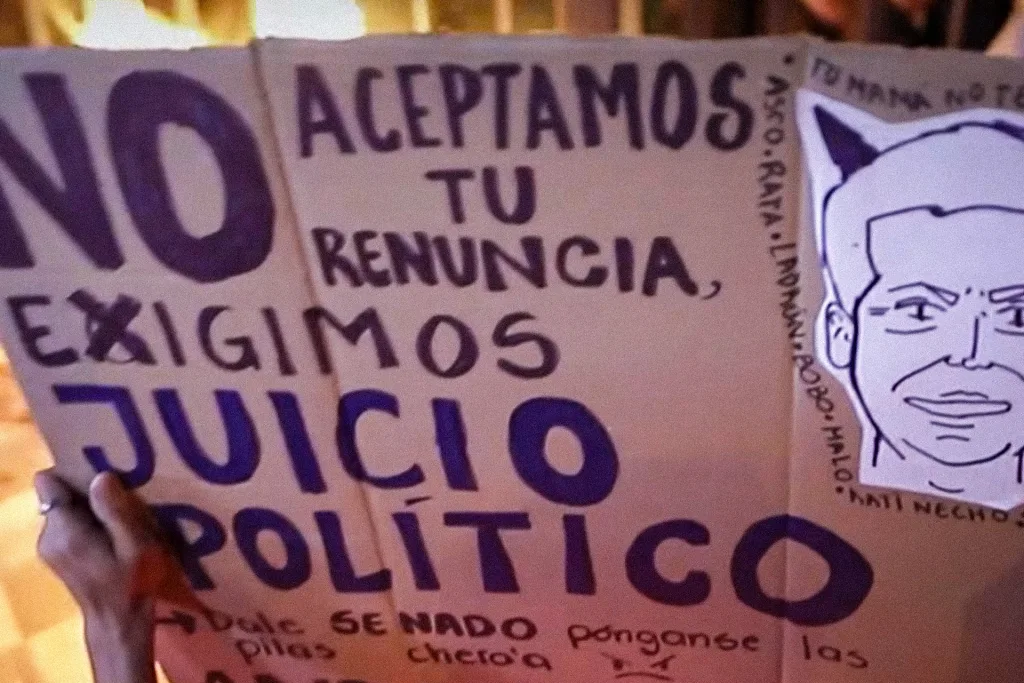
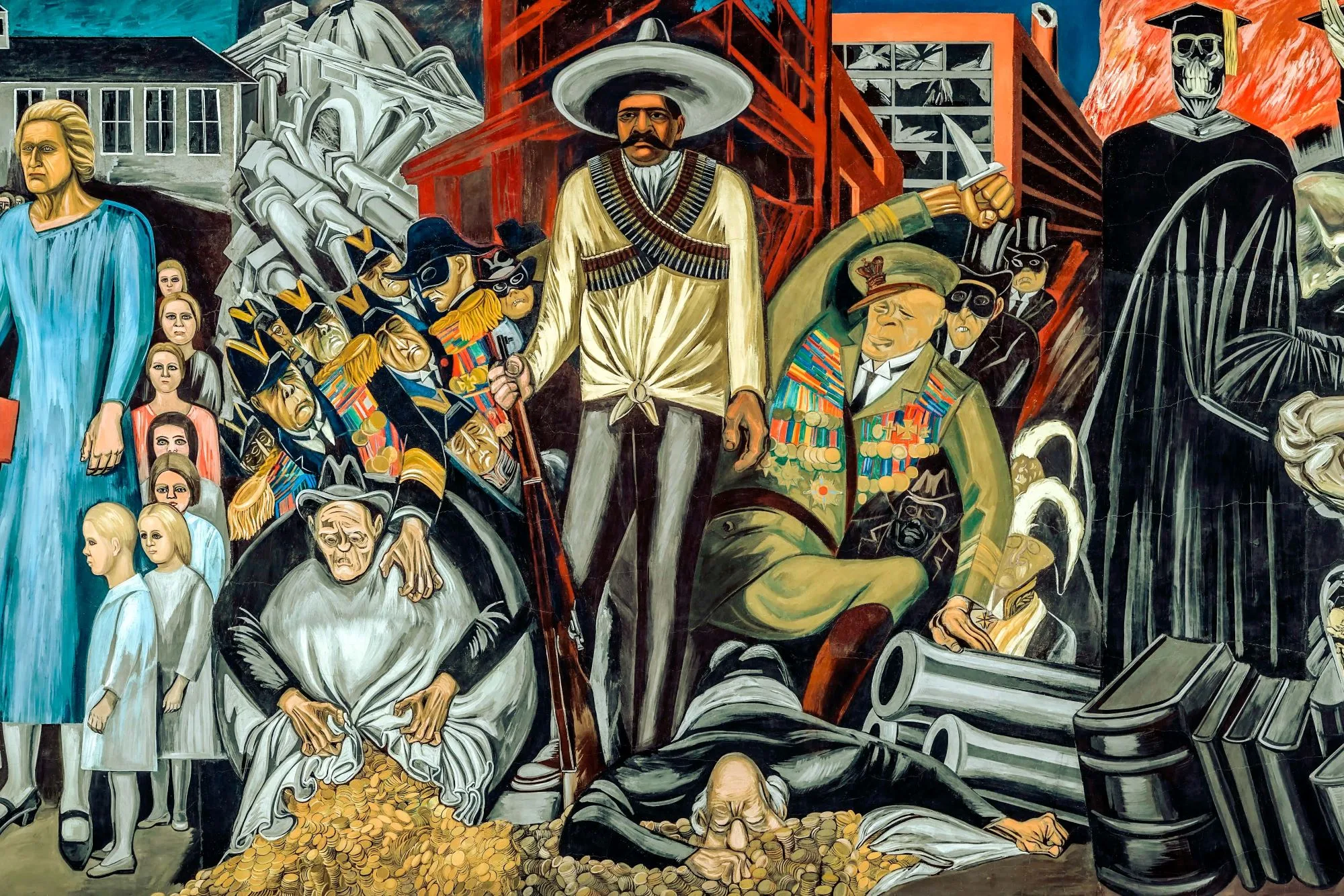
In 1999, 2017 and 2021, the masses demonstrated their ability to stand up to governments and force them to back down. But whilst presidents may fall, the big capitalists’ economic power remains intact. Today, with Peña removed from office and Alliana in the presidency, the same problem arises once again.
The events surrounding Ueno Bank have brought to light the contradictions that had remained hidden behind the indicators of growth and stability that international organisations and Trump’s lackey governments had been celebrating.
The underlying problem was not resolved by Santiago Peña’s dismissal, nor by his replacement by Pedro Alliana – who is just as hated as his predecessor. Anger is mounting on the streets and protesters are also calling for Alliana’s head, amidst widespread rejection of the regime’s institutions.
The masses are learning through experience who controls the economy’s key resources, how large business groups interact with the state apparatus, and who ends up bearing the brunt when capitalist ‘ventures’ fail.
Various social and trade union organisations have already begun discussing the possibility of a general strike. Teachers have called for an indefinite national strike starting on 9 November, in defence of pension funds and against the consequences of the collapse of Ueno Bank.
This is the way forward. We need to organise mass assemblies in neighbourhoods, workplaces and amongst young people, to coordinate the struggles and move towards an organised intervention by the working class as a whole. The rot at Ueno Bank is a clear and direct expression of the rot at the heart of capitalism.
What is happening in Paraguay is not an isolated incident. Trump’s electoral blow in the United States and the protests that brought down Bolsonarism in Brazil show that the apparent strength of the Trumpist right is beginning to crumble.
At the same time, in Latin America, the national strike in Colombia, the student protests in Chile and the university protests in Argentina demonstrate that the working class and young people are taking centre stage. Likewise with the protests and strikes shaking Europe. Far from the stability promised by these governments, the contradictions of capitalism are paving the way for new confrontations and periods of intense class struggle.
But to ensure that this new crisis does not result in simply yet another change of leadership, it is necessary to strengthen a movement independent of the bourgeois parties, with a programme based on immediate demands that challenges the power of the big capitalists.
In order to secure the return of people’s savings and the protection of pension funds, there must be a struggle for the disclosure of Ueno Bank’s accounts, the confiscation of the fortunes of Paraguay’s true owners, and the nationalisation of the bank. Ueno must be nationalised without compensation and put under the democratic control of the workers. Let the business owners, bankers and landowners who are responsible, bear the consequences of their fraud, not the working class.
They must all go! Let the workers rule!