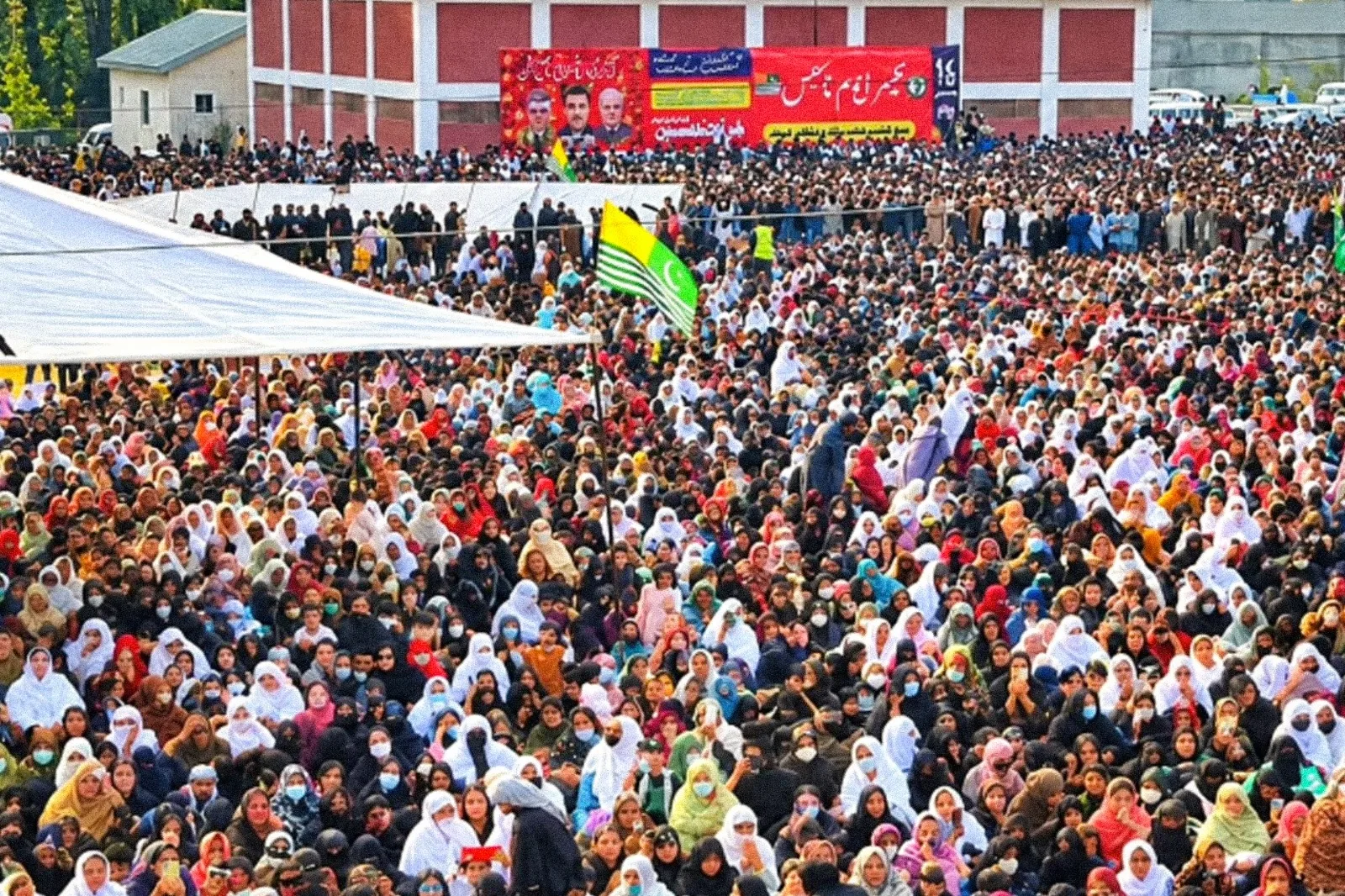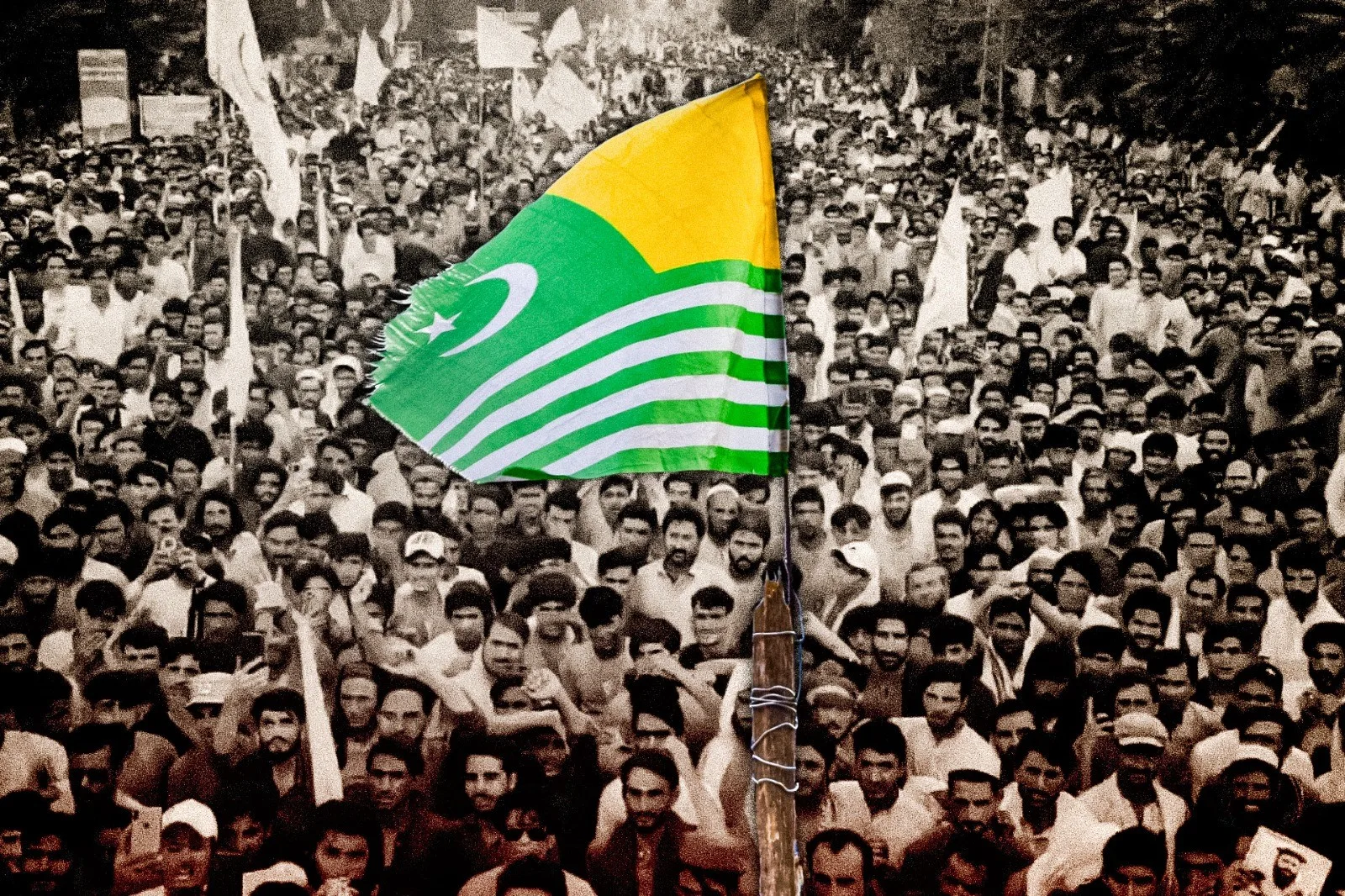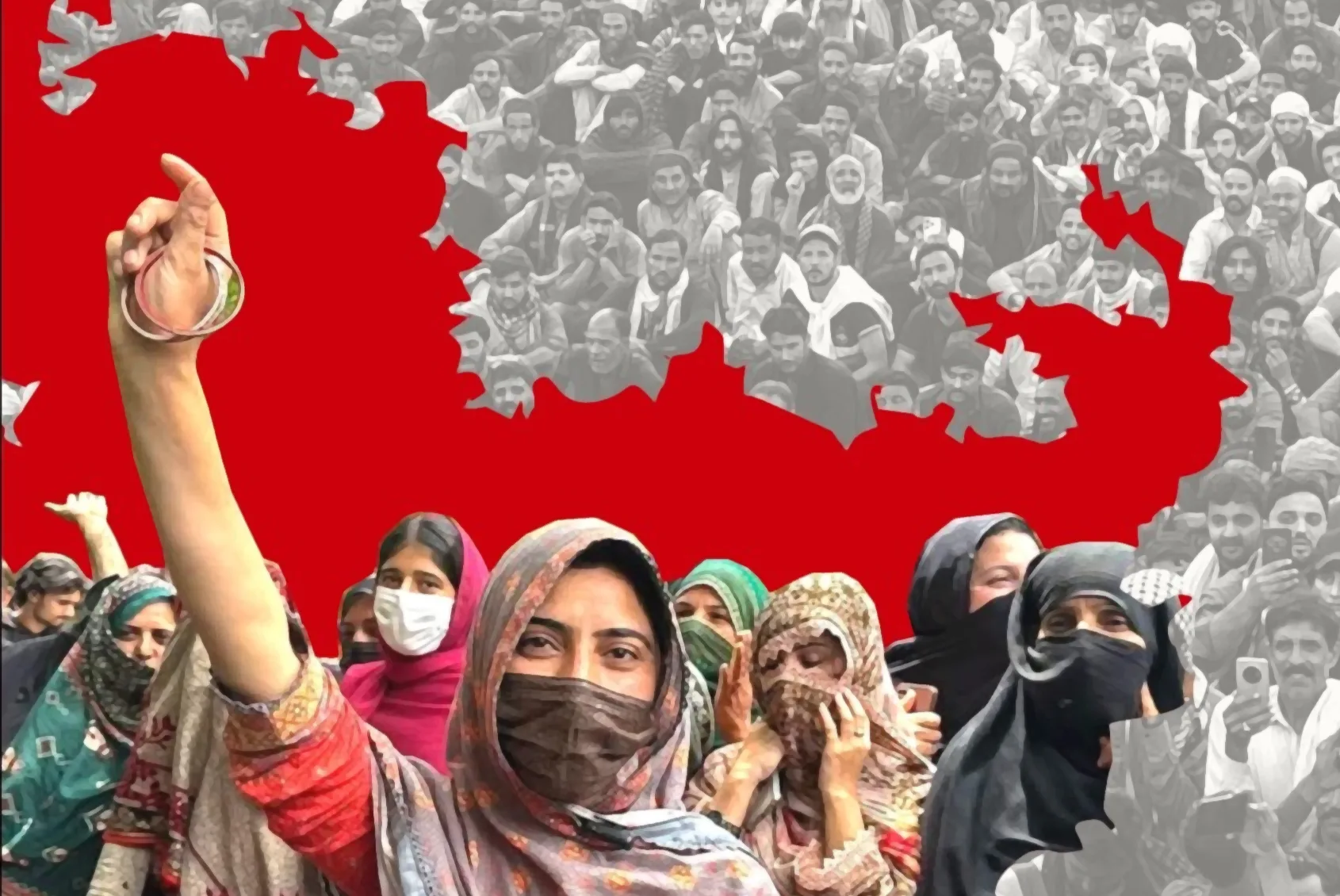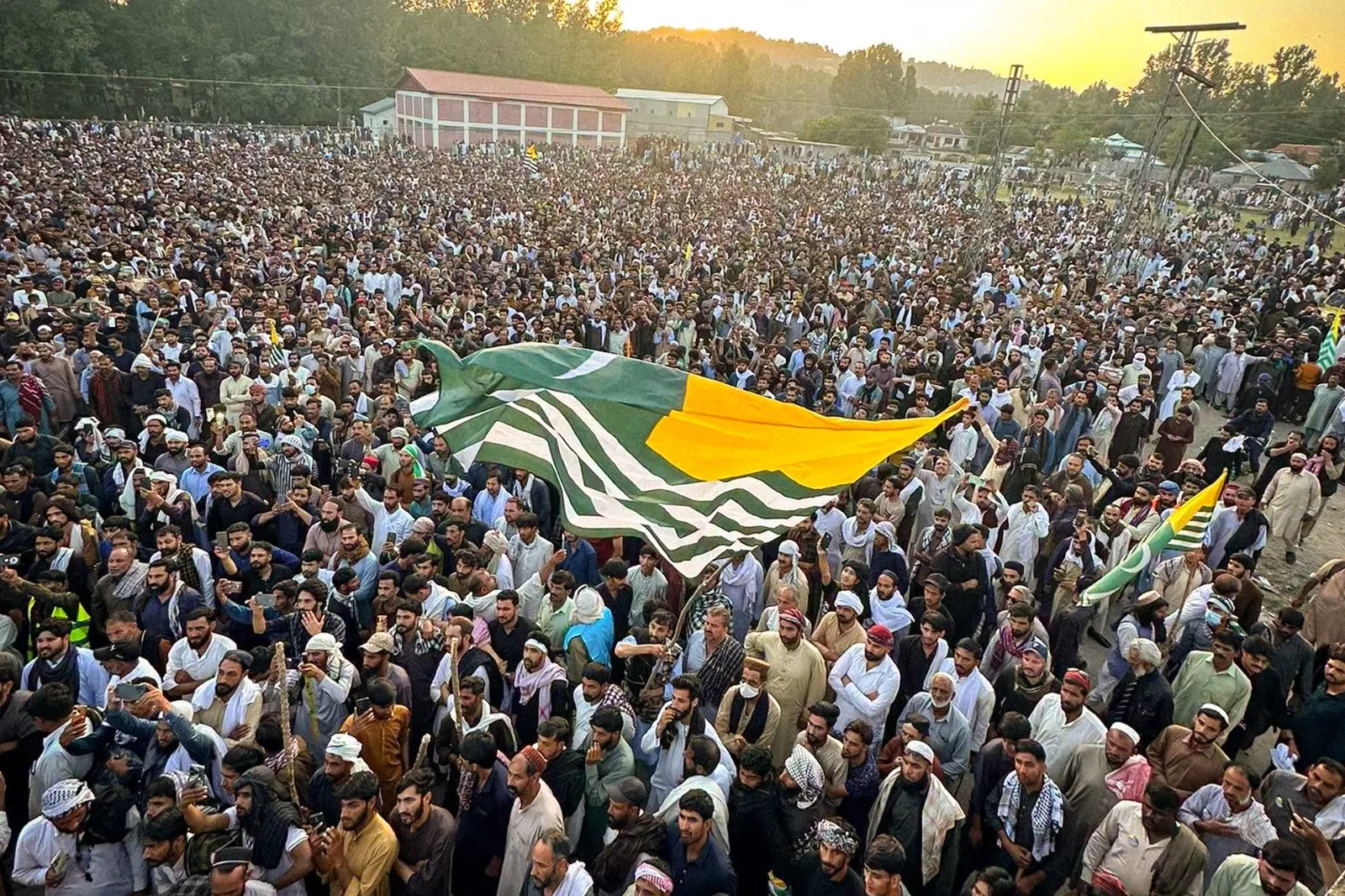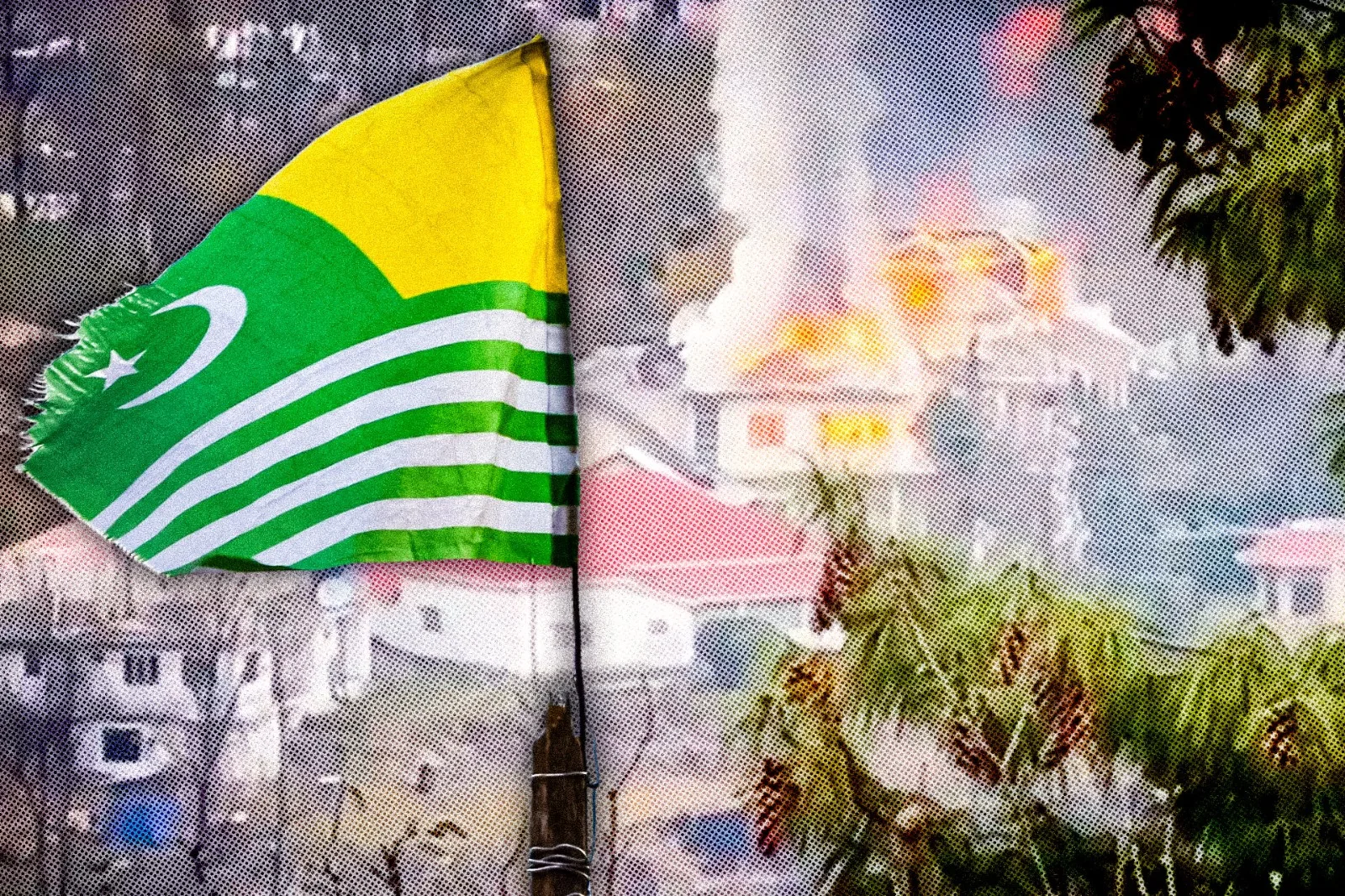
In the early hours of Thursday 5 November, state forces attacked the Awami Action Committee’s peaceful sit-in in Rawalakot, a city in Pakistan-administered Kashmir. At least three protestors have been martyred and dozens are reported to be injured.
The Inqalabi Communist Party (RCP) in Pakistan strongly condemns this act of state repression, in which heavy gunfire and drones are reported to have been used. We appeal to the working class of Pakistan and the whole world to support the mass movement for basic demands in Kashmir, and to condemn this brutality of the Pakistani state, ruling class, and its toadies in Kashmir.
This crackdown on peaceful, unarmed protesters in Rawalakot cannot be condemned strongly enough. The government itself claims that the number participating in the sit-in is steadily declining, and that the protest will naturally fizzle out as the weather gets colder. This state-led assault can therefore be described as an act of sheer tyrannical arrogance.
The approach of the reformist leadership of the Joint Awami Action Committee has been to sit in the protest camp and beg the ruling class for negotiations, whilst trying to win the favour of global imperialist institutions. This recent attack on peaceful protesters and the martyrdom of more innocent people has once again proven that such an approach is a lethal poison for the movement. While the risk of further loss of life is a grave concern, what kind of wisdom is it to simply wait for the next attack, rather than organising, preparing, and moving forward?
When we appeal for solidarity from the working class in Pakistan, the region, and across the globe, we are mocked; critics argue that since this is a ‘national’ movement, it cannot possibly garner solidarity based on class lines.
But we must not forget that the issue of Palestine was also once perceived primarily as a national – or even religious – question. And yet, the global solidarity movement fundamentally transformed its character, and the resistance of the people in that small territory has become a catalyst that is spurring the process of global revolution.
It is true that, at present, no movement of solidarity for the oppressed people of Kashmir has managed to take shape within Pakistan. If the rotten leadership of the trade unions is unwilling to defend the workers within their own institutions against severe economic and political assaults, then expecting a conscious and courageous response from them regarding Kashmir – or any other significant political issue – is sheer folly.
However, the working masses across the country – especially the youth – are themselves enduring intense economic and political oppression, and their patience is wearing thin. A single incident could propel them into the arena of struggle, potentially transforming the political landscape entirely. The initial surge of such an uprising would sweep away this decayed trade union aristocracy like mere debris.
In this context, the call for solidarity among the working masses and youth of Pakistan and the entire region must persist, and practical steps toward building this solidarity must be accelerated. There is no path to salvation other than the abolition of the capitalist system through a revolution, leading to a voluntary socialist federation of all oppressed nations under the leadership of the working class.