[Originally published in French at marxiste.org]
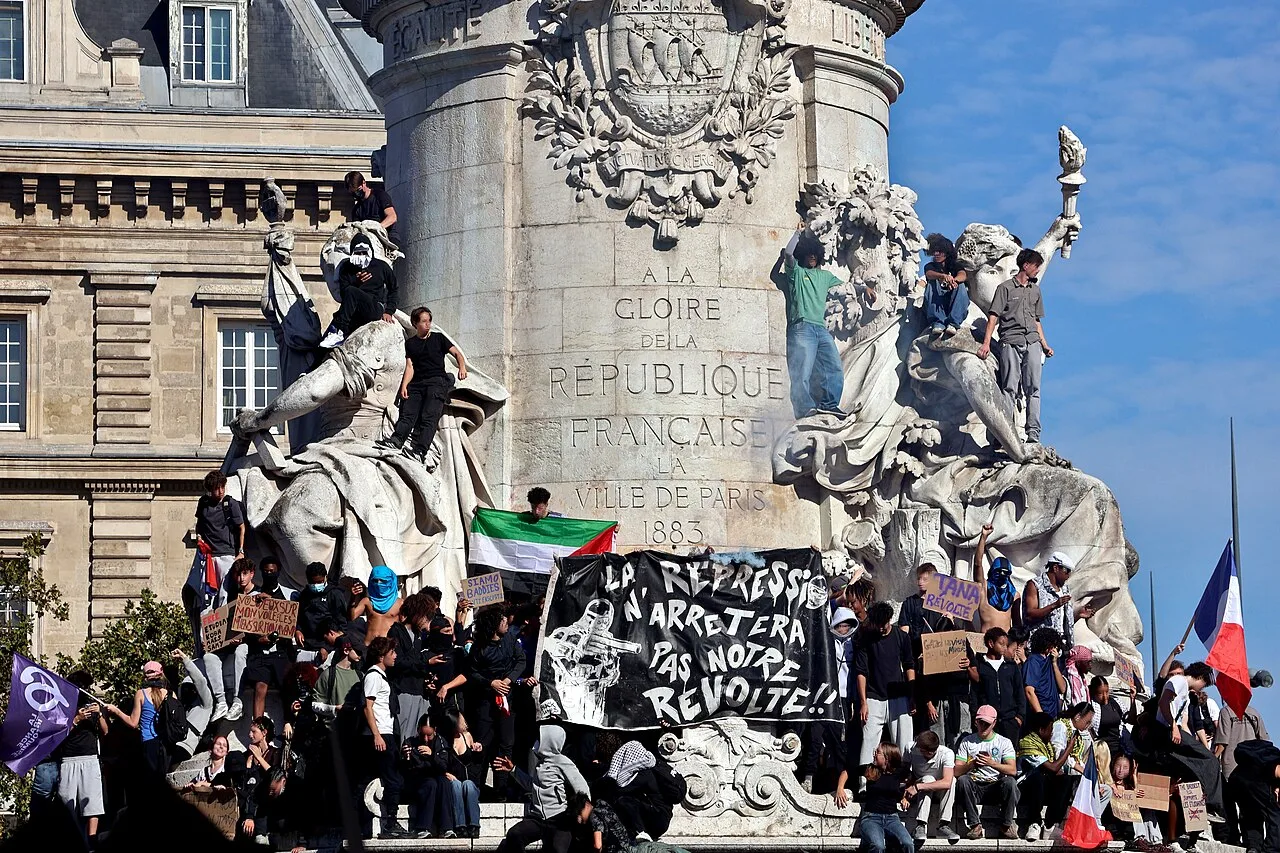
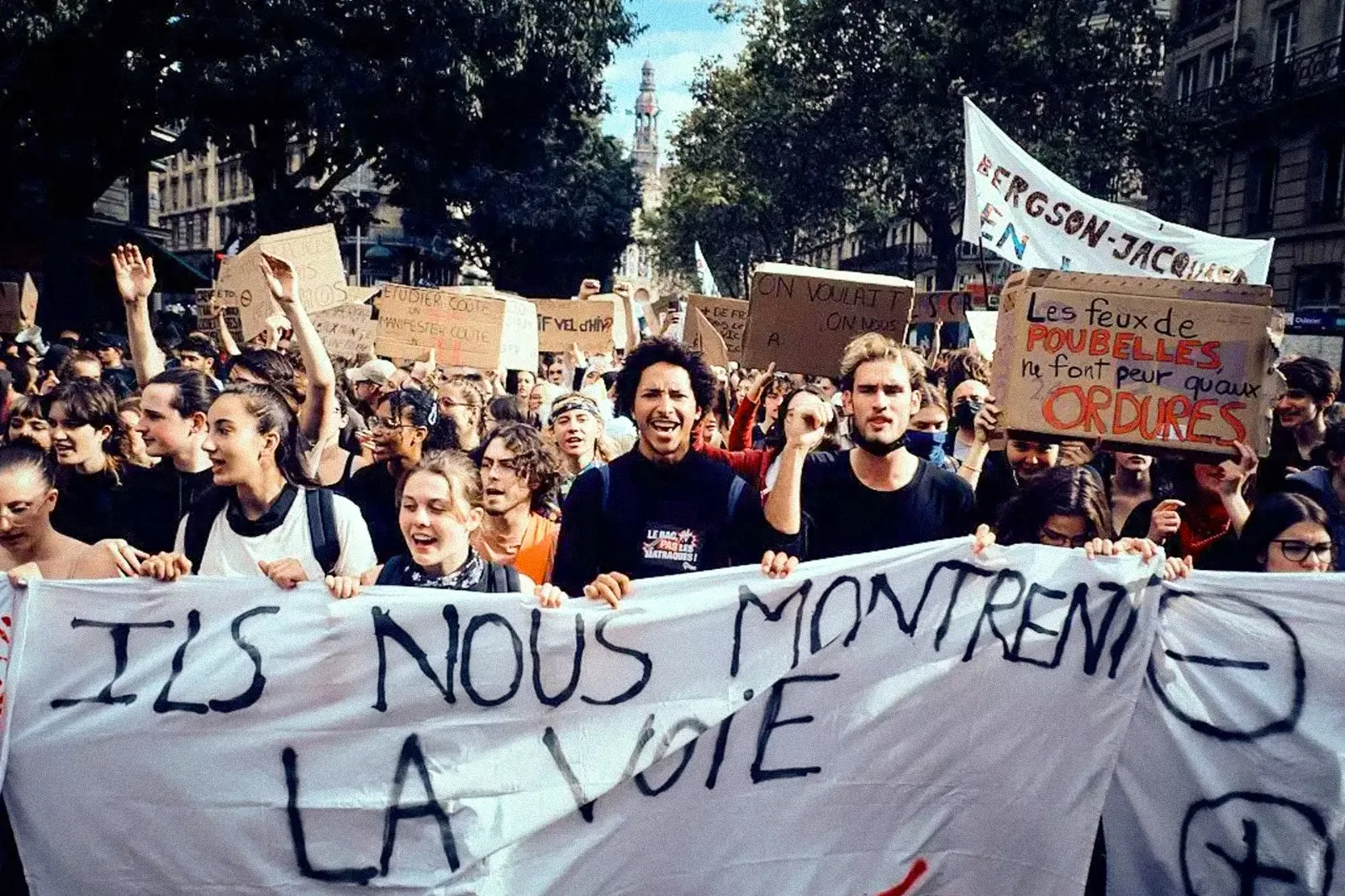
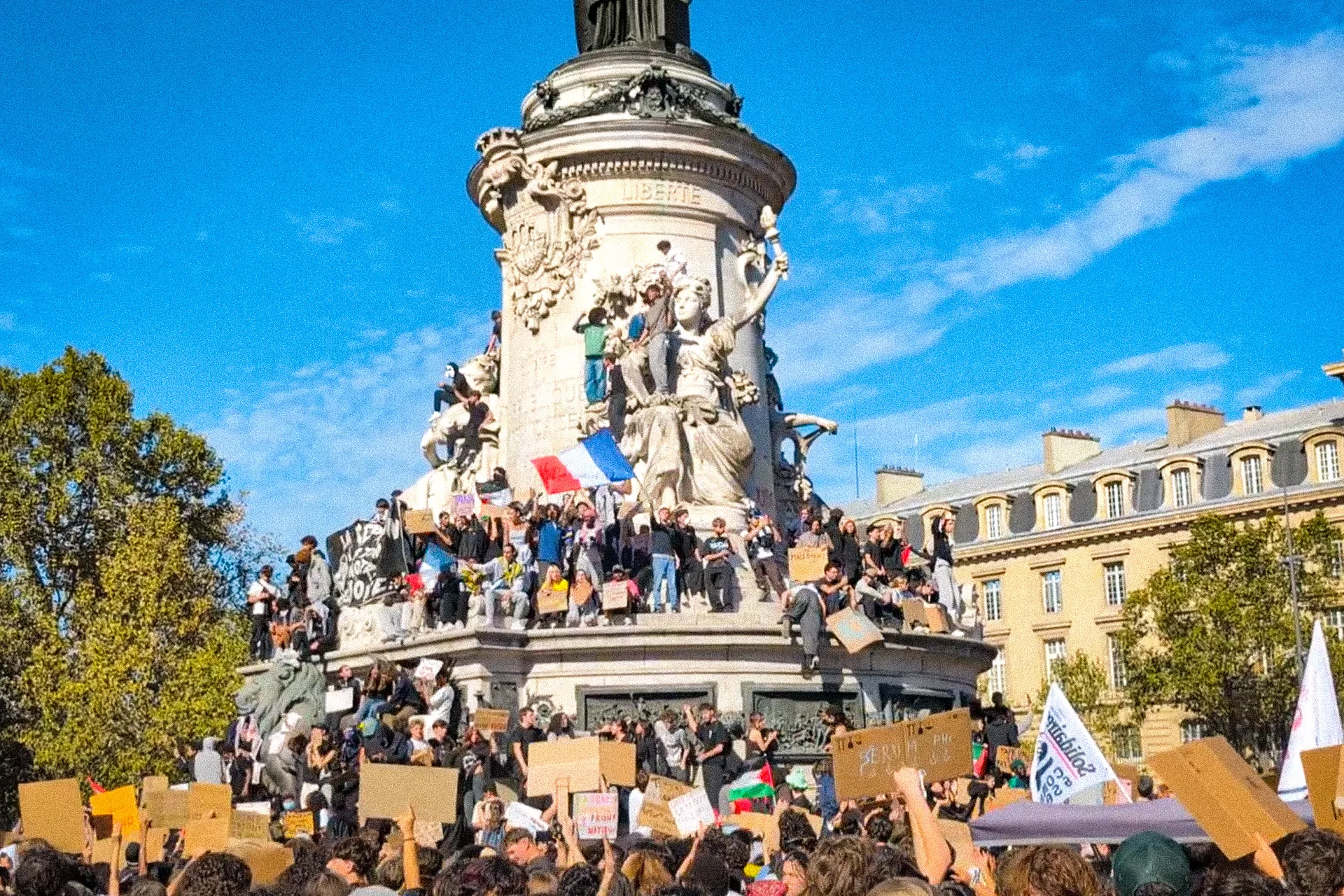
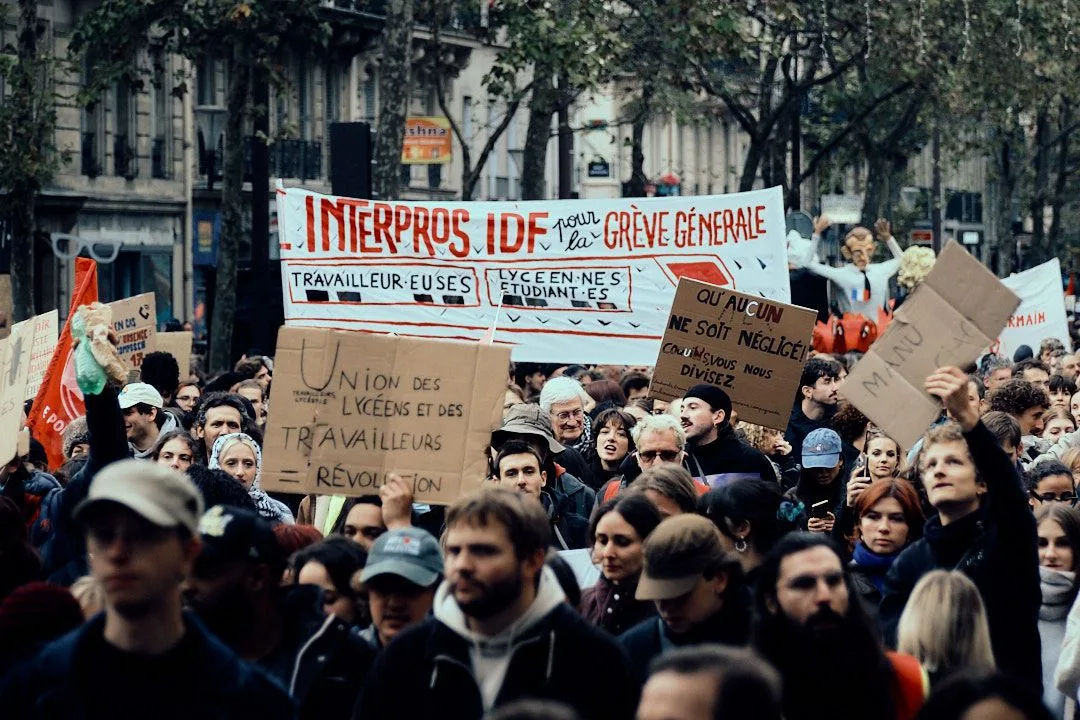
The demonstration on 5 November marked a further increase in the numbers involved in the movement that began over six weeks ago. The CGT puts the figure at 1.6 million demonstrators nationwide. This is all the more remarkable given that the government did everything in its power to dissuade us from demonstrating.
Threats, bans, routes imposed by the prefectures, police violence of all kinds: the right to demonstrate in France is now very much a matter of interpretation.
In Paris, the imposed route and the police presence forced hundreds of thousands of people to trudge along endlessly, shoulder to shoulder. Under these conditions, many people chose to leave the demonstration as soon as it set off. This was, of course, one of the effects intended by the police. Week after week, the authorities send us the same message: ‘You will no longer be able to demonstrate without facing police cordons, violence and harassment’.
In Toulouse, the demonstration was outright banned – and consequently violently suppressed from the outset. Nevertheless, it was massive. Many people said they attended the demonstration to, amongst other things, defend the right to demonstrate. The government’s tactics are therefore having contradictory effects, which may not necessarily work in its favour.
Trade union leaders must defend the right to demonstrate much more firmly. They must reject the routes imposed by the prefectures, stick to their own routes and protect the demonstrations by means of much larger, better-equipped and better-organised security teams.
The strikes
The CGT’s leadership called on ‘all workers’ to go on strike yesterday. But in the absence of intensive preparatory work and a precise plan of action, it was not possible for this to be a true general strike. That said, there were still hundreds of thousands of workers on strike.
In the evening, the CGT’s press release gave the following figures:
“One in three railway workers on strike; over 2,000 work stoppages recorded in metalworking, agri-food, glass and ceramics, construction, retail and services, chemical industries, social services, ports and docks, postal services and telecommunications, and transport sectors; hundreds of thousands of civil servants on strike.”
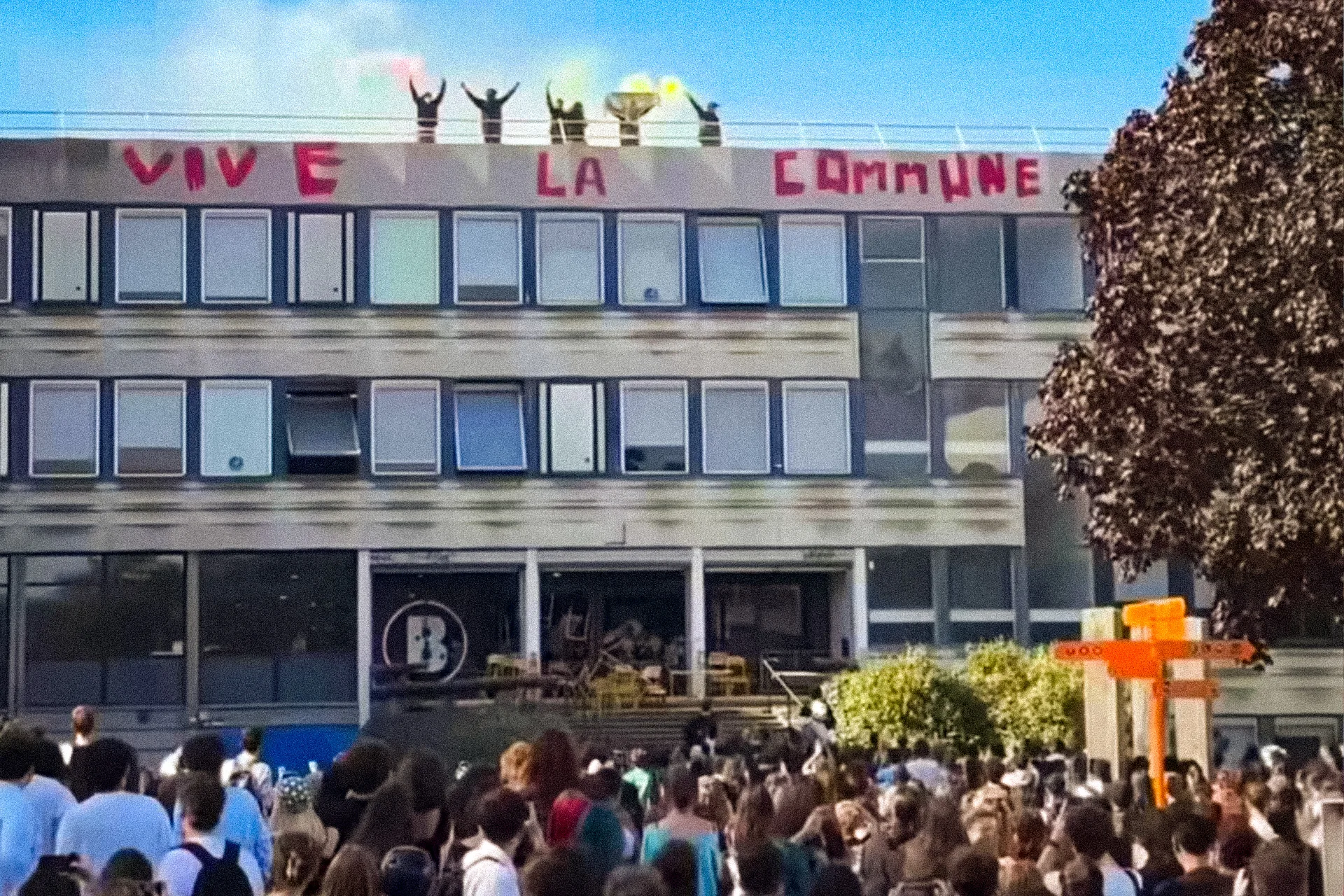
This confirms the willingness of many workers to step up the struggle to secure better wages, a significant increase in the minimum wage, an end to austerity policies, and the fulfilment of the demands of high school and university students. These students once again mobilised in huge numbers yesterday. In addition to the hundreds of thousands of strikers on 5 November, millions more workers could go on strike – provided that the trade union leaderships throw all their weight behind this battle.

The ‘social conference’
Prime Minister Sébastien Lecornu announced on Monday that a ‘social conference’ on wages would be held. This is a manoeuvre with the sole aim of buying time and weakening the movement by putting on a show of ‘social democracy’. As Le Monde acknowledged, “for the government, the main issue” is not to meet the demands, but “to establish dialogue between the trade unions and employers’ organisations”. In other words, it is a matter of staging a so-called ‘dialogue’ from which nothing positive will come for young people and workers (apart from a few crumbs).
Trade unions must reject this ‘social conference’ and turn to the working class, to school pupils and to university students, and present them with a solid plan of action for the days and weeks ahead. The movement’s fundamental demands will not be met behind closed doors in the gilded salons of Matignon. Only a powerful movement of renewable strikes can open up the prospect of a decisive victory for our class. Instead of playing along with the government’s delaying tactics, trade union leaders must launch a massive campaign of agitation in key sectors of the economy, to build a powerful movement of renewable strikes.
The most militant trade union activists must exert maximum pressure on their leaderships to turn their backs on Lecornu’s manoeuvres. At the same time, they must strive to increase and develop cross-sector general assemblies, which can make a decisive contribution to the strike movement’s momentum.
The CGT’s ‘perspectives’
In its statement issued last night, the CGT’s national executive committee writes:
“The CGT states this emphatically: the struggle will continue for as long as necessary to force the government and employers to back down. Until they have responded to our demands on wages, public services, study conditions and social protection, the popular mobilisation will continue!
“Through the broadest possible cross-sector trade union unity, the CGT will continue to act at all levels.”
These are the only ‘perspectives’ that the CGT leadership sets out in its statement. Not a word on the need for renewable strikes, no call to demonstrate tomorrow alongside high school pupils and students, not even a new date for cross-sector mobilisation. We are merely told that “the CGT will continue to act at all levels” – including, therefore, at the level of the ‘social conference’ convened by Lecornu. In other words: ‘first we’ll talk to the government and the employers, then we’ll see if it’s necessary to call for further mobilisations’. This is the only possible interpretation of this CGT press release.
To save face and justify its participation in the ‘social conference’, the CGT leadership asserts that “the struggle will continue for as long as necessary to force the government and the employers to back down”. But we have heard this sort of rhetoric on the eve of every defeat over the last twenty years.
Once again, the trade unions must reject the blatant manoeuvre that this ‘social conference’ represents – and turn to the masses, to the youth and the working class. We must present them with a militant battle plan aimed at paralysing the economy. This is the only way to inflict a decisive defeat on the employers and their government.