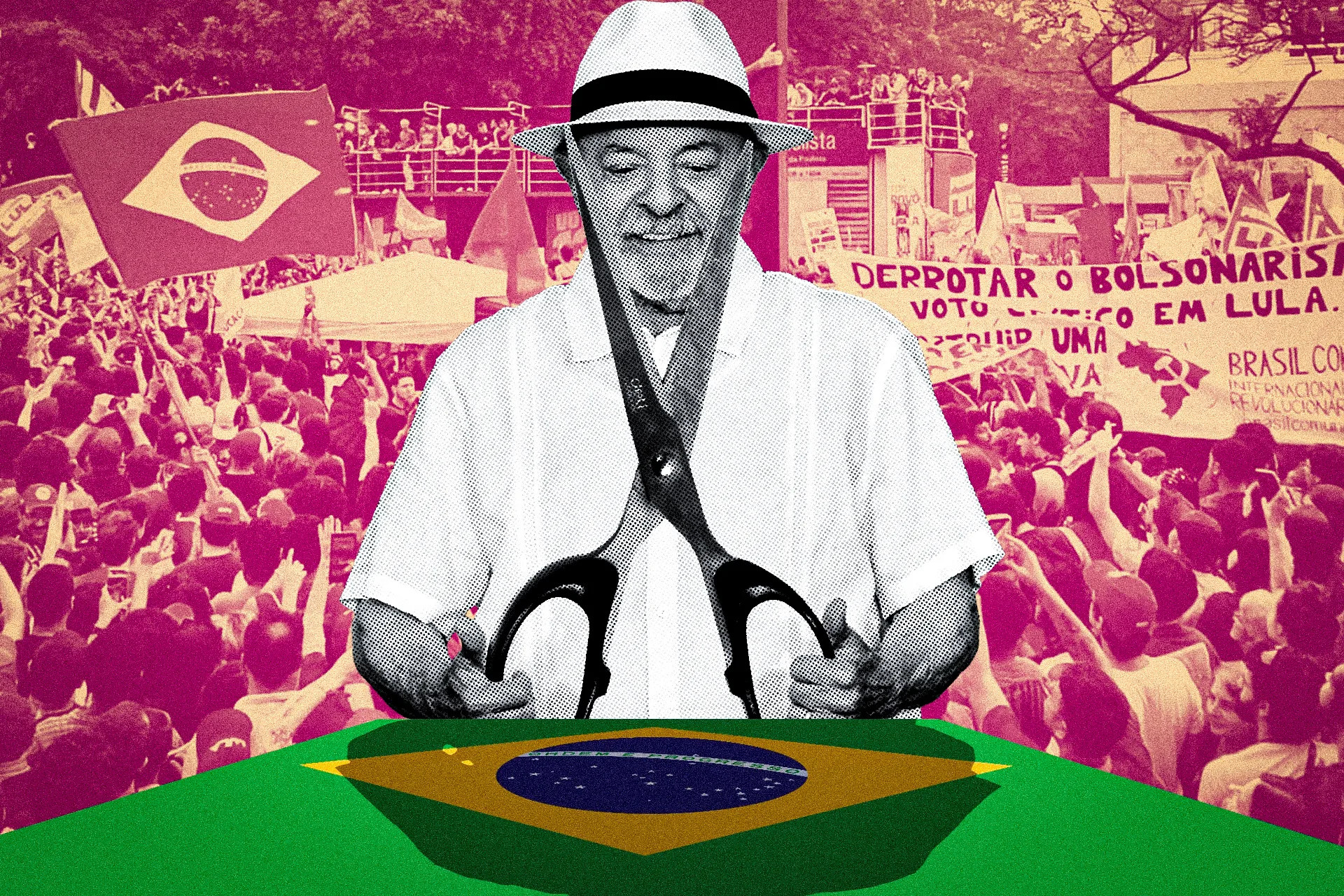
In an extraordinary turnaround, Lula won the second round in the Brazilian presidential election at the end of October. That was only possible on the basis of a mass mobilisation on the streets to reject the anti-working-class agenda of Bolsonaro. Now, having been reelected, Lula is attempting to introduce austerity measures. In this article, the comrades of the RCI in Brazil argue why and how this move needs to be opposed.
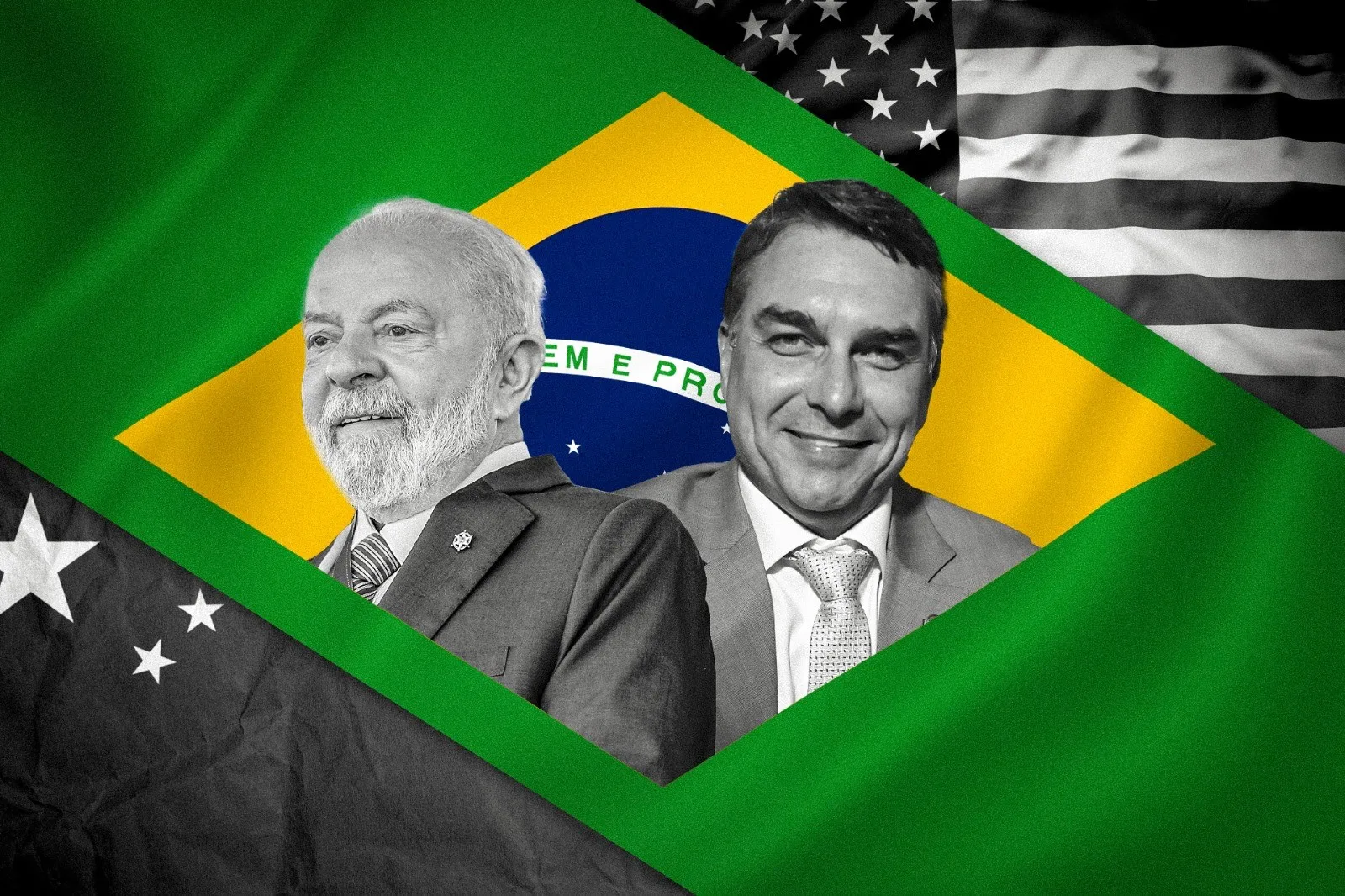
“Fiscal adjustment”? “Big scissors”? Call it what you like! During the election campaign, Flávio Bolsonaro proposed big cuts to public spending, which he touted as a Tesouraço (“big scissors” or “drastic cut”) – inspired by Argentine President Milei’s ‘chainsaw’ approach. But that was defeated by the wave of mass protests which swept the country and culminated in the spectacular electoral turnaround from the first to the second round, securing President Lula’s re-election.
Now, the leader of Lula’s government in the Senate, Senator Jaques Wagner, has tabled a ‘Complementary Bill’ – drafted by Lula’s economic team – which can also unambiguously be called a “drastic cut”.
Lula’s ‘Fiscal Adjustment’ = Bolsonaro’s ‘big scissors’
Bill 299/2026, or the ‘Fiscal Adjustment Bill’, was rushed through the Senate, which approved it on 12 November, less than 24 hours after it had been tabled. Although there are still four amendments for the Senate to vote on before it is sent to the Chamber of Deputies – scheduled for the 17th – all signs suggest that these ‘drastic cuts’ have the support of the majority of parliamentarians.
What does Lula’s ‘drastic cut’ propose?
The bill sets an even lower ceiling on raising public spending from 2027 onwards, limiting it to a 2 percent increase (compared with the previous year), compared to the 2.5 percent currently provided for.
It also proposes disguised cuts. The most scandalous would be in healthcare. Currently, the constitutional minimum stipulates that at least 15 percent of Net Current Revenue (NCR) must be spent on healthcare. The bill proposes excluding certain extraordinary revenues from the NCR calculation, which could result in a reduction in funding for the Unified Health System (SUS) by more than R$10 billion (US$1.7 billion) – in 2027 alone!
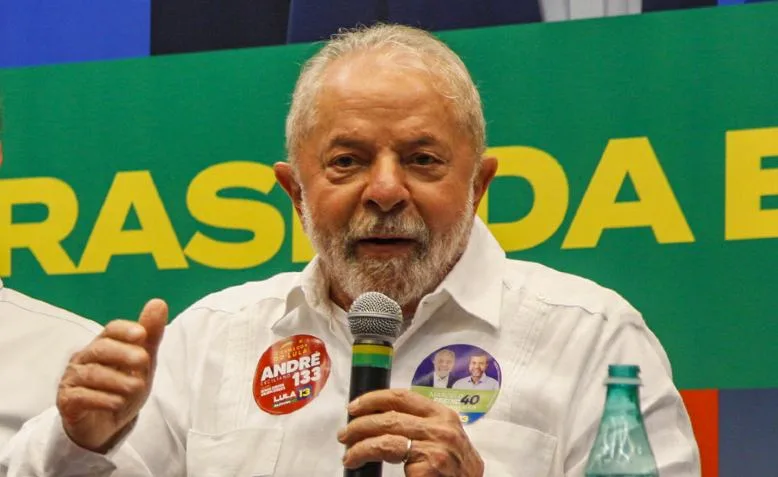
There is a vocal minority in opposition. Not only did MPs from the Radical Left Caucus and others from the Socialism and Liberty Party (PSOL) denounce the proposal as ‘electoral fraud’ and ‘betrayal’; even MPs from Lula’s own party protested. Of particular note was the particularly scathing speech by former senator and current federal deputy Lindbergh Farias.
The public stance taken by Lindbergh and other PT members against the bill shows that pressure from the party’s grassroots is strong. Even on the ‘Exército do Lula’ (Lula’s Army) WhatsApp group – where followers can only express themselves through emoji reactions to messages posted by ‘General’ Janones – scissors emojis began appearing by the thousands. This was a clear expression of discontent with the drastic cuts which the Lula government is proposing.
Lindbergh announced that an alternative bill is already being coordinated by MPs from the PT, PSOL and other parties, which will propose raising the money by taxing the wealthy.
However, increasing federal revenue through higher taxes on the wealthy does not solve the problem of investment in public services and social sectors so long as the current spending cap is maintained. Any higher federal revenue would simply be swallowed up by interest payments on the state’s debt, which has no cap.
The real solution starts not with a bill that deepens the limitations and cuts to public spending but with the repeal of the spending cap.
However, even that wouldn’t be enough to transform Brazil’s future. A project for development, industrialisation and massive investment would be necessary – but that could not move forward without challenging private ownership of the means of production.

False advertising?
There’s a saying in Brazil, estalionato. It comes from the penal code and means obtaining an unlawful financial advantage at someone else’s expense by deceiving them. In politics, it’s associated with electoral ‘fraud’ or ‘false advertising’.
Strictly speaking, one could argue this giant cut is not estalionato. After all, every government led by the PT since 2003 has pursued a policy of austerity. They have always prioritised raising a surplus to pay back interest on debt over increasing public spending. Lula never changed this fiscal policy, and he never promised that he would.
Yet it was precisely this policy that cost Lula the election in the first round on 4 October!
The millions who took to the streets to defeat Bolsonaro did not approve of everything the Lula government had done. Had that been the case, Lula would have won in the first round! On the contrary – his defeat in the first round was a final warning that the working class gave to Lula. When he did win, in the second round, it was because the masses used his candidacy – which was the only tool which was available to them – to confront the capitalists.
Lula may not have promised a different fiscal policy. But he owes his own reelection to the streets. And they certainly did not lead the largest public demonstrations in Brazil’s history, and secured Lula’s re-election in the second round, so that R$10 billion could be cut from the national health service in 2027!
And while the programme of the streets may not have been written and signed by every protester, it is quite obvious: they rejected the economic and political programme of Bolsonarism.
The ‘fiscal adjustment’ now presented by the Lula government – even if it is a continuation of Lula’s own previous fiscal policy – represents the project that was defeated on the streets and at the ballot box.
What now?
For our part, we never fostered illusions that Lula would do anything different. That is why we cast a ‘critical vote’ for Lula, right from the first round. We explained that Lula seeks to reconcile the irreconcilable – the bosses and the workers.
During the weeks when power pulsed through the streets, Lula was inclined to serve one master: the working class. This is the Lula who banned betting shops, fought to reduce the working week by ending the 6×1 shift pattern, and promised free public transport at weekends.
But as soon as the surge in the streets subsided and the popular movement returned to its normal course, Lula went back to serving the master of finance capital.
One cannot serve two masters at the same time, however skilful the conciliator may be.
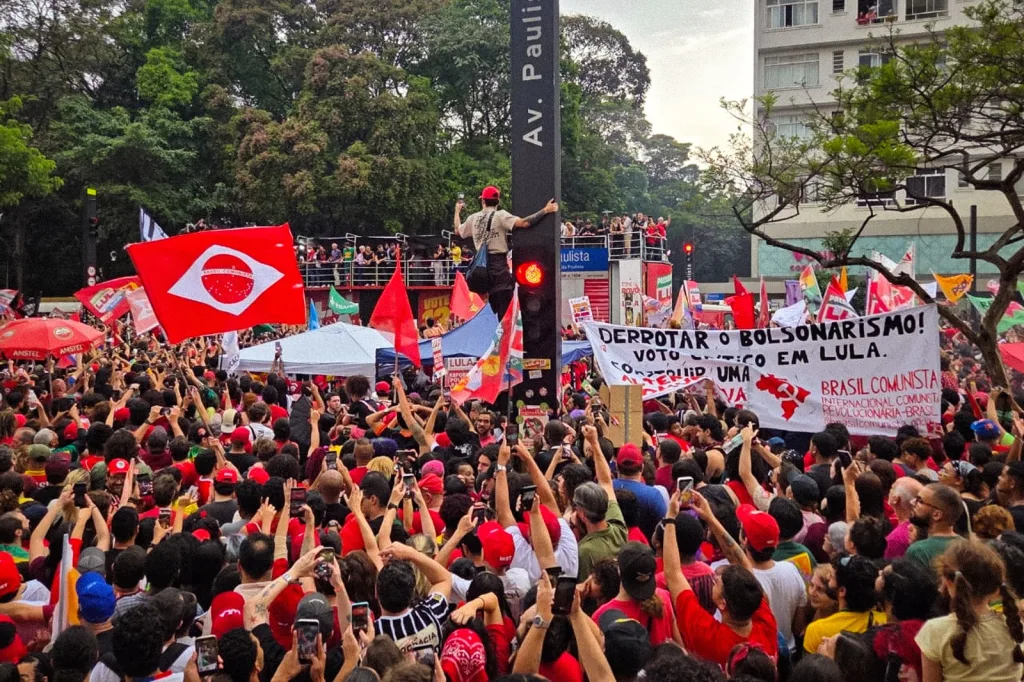
The workers who mobilised heroically to defeat Flávio Bolsonaro and his class must now take to the streets once more to confront the same hostile class that is expressing itself through and within Lula’s government – a government of class conciliation.
We, as communists, urge everyone to take to the streets again against any drastic cuts that slash social expenditure intended to meet the needs of the exploited and oppressed majority in this country. It does not matter who these cuts come from.
If Lula wishes to have the millions who secured his re-election by his side, he will have to serve another master: the working class.
If he continues along the current path, Lula will rapidly lose the popular support he enjoyed in October. This will embolden the vultures, the capitalists, in the National Congress to push for a coup-like manoeuvre similar to the one they used against Dilma in 2016.
It is urgent for the workers to build an alternative to the left of Lula: a communist alternative for Brazil.
In this regard, the elected MPs of the Radical Left Parliamentary Group can serve as an important point of support for the working class within the bourgeois parliament.
But, at the same time, we must also make progress in organising. To this end, the ICR-Brazil opens its ranks, calling on workers and young people to organise for a communist Brazil!