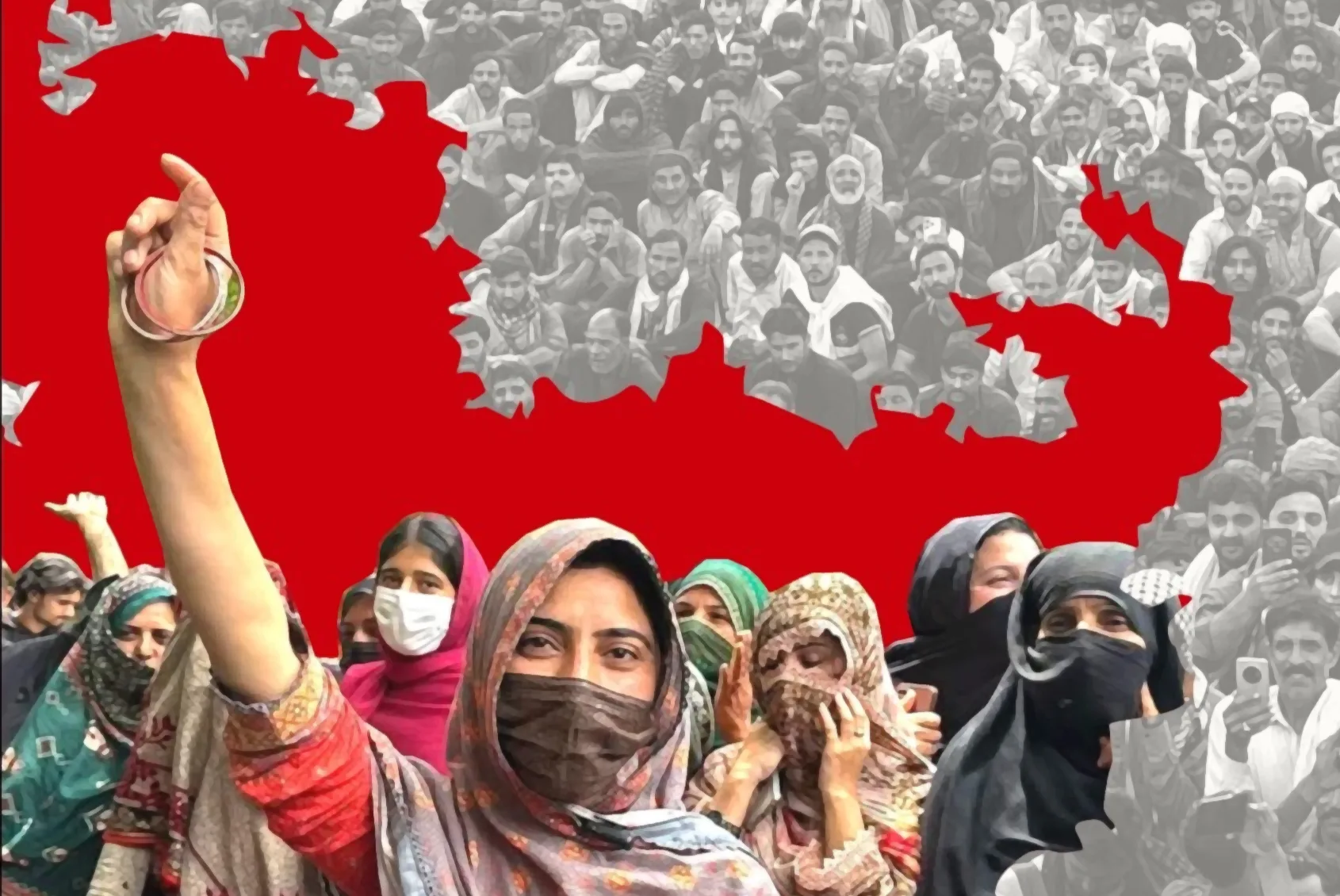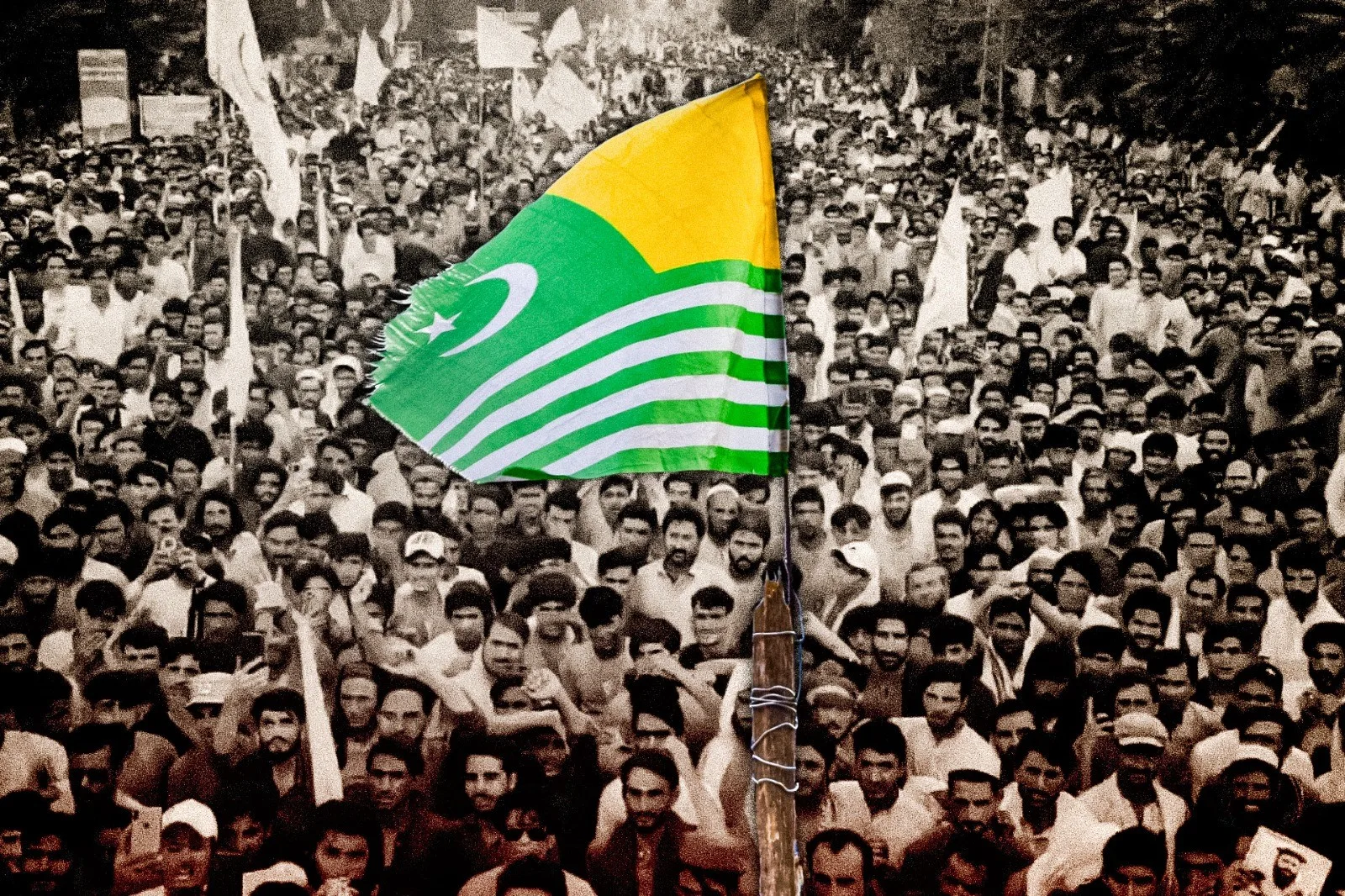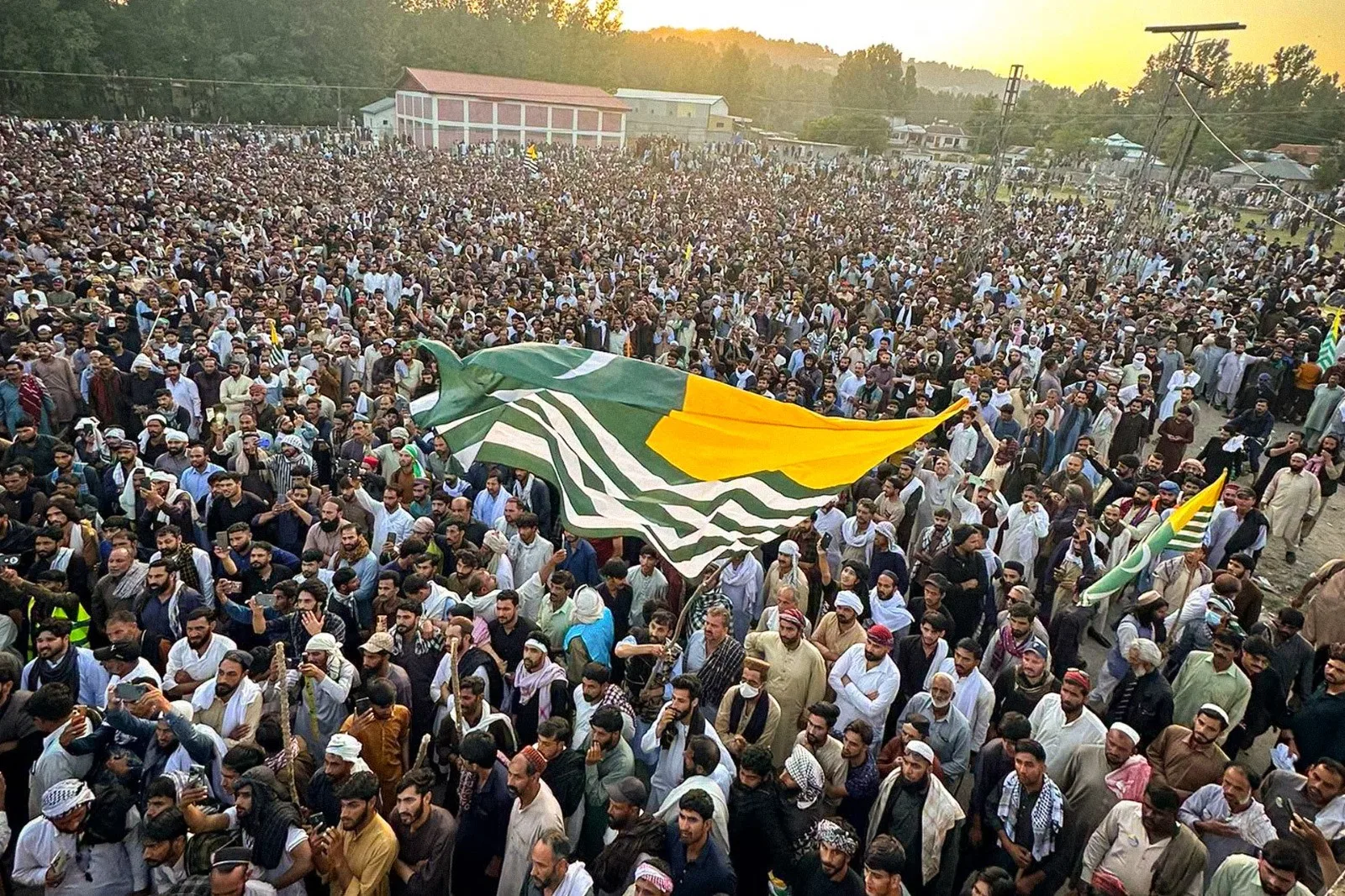
Against the backdrop of brutal repression at the hands of the Pakistani state, the Awami Action Committee in occupied Kashmir and Gilgit-Baltistan has grown rapidly across the region. The AAC has led the charge against the gangsters who are plundering these resource-rich regions, and has already won important victories: a 90 percent reduction in electricity prices, a 50 percent reduction for wheat flour, to name a couple.
In exposing the rottenness of the so-called democratic institutions that have been installed in these regions – which in fact are run by puppets of the Pakistani ruling class – the AAC has even begun to become a parallel authority in some areas. This has struck fear into the hearts of the Pakistani ruling class.
As such, the Pakistani state has recently ramped up its repression of these occupied regions, and the AAC has been the focal point of its attack. On 5 June, the government of Azad Kashmir, following the orders of the Pakistani state, declared the AAC a terrorist organisation.
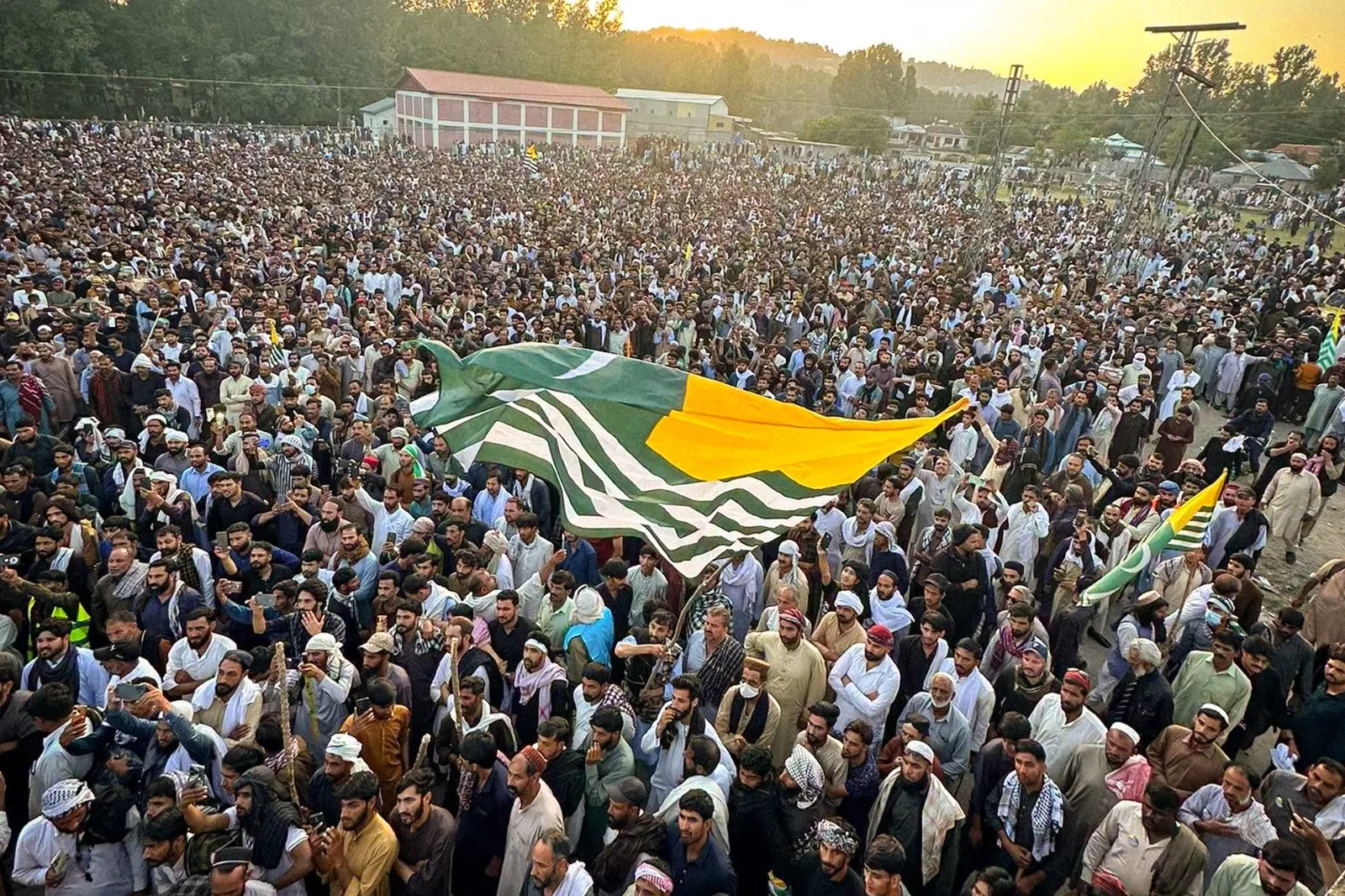
Sardar Umar Nazir, one of the central leaders of the AAC in Azad Kashmir, was the target of an assassination attempt, and he was lucky to escape with his life. Another activist of the AAC, Shahzeb Habib, was killed in the attempt. His funeral in Rawalakot became a flashpoint, when thousands of protestors who assembled to mourn were fired on indiscriminately by security forces, killing and wounding hundreds. This repression did not cow the spirit of the masses, who are fighting to free abducted AAC activists, and have organised a long march of protest to the regional capital of Muzzafarabad, which has vowed to press on despite the threat of violence from the state.
This brutality came in the broader context of increasing state repression in both of the occupied territories. In neighbouring Gilgit-Baltistan, leaders of the AAC have been repeatedly arrested and tortured for fighting for better living conditions.
The Revolutionary Communist International organised a successful international campaign of solidarity to fight for their freedom, which was supported by international human rights organisations, as well as prominent political figures.
In the same spirit of international solidarity, we publish below a motion of solidarity with the workers’ movement in Pakistan by the Brazilian section of the RCI, which has been backed by a number of federal deputies.
The undersigned parliamentarians express their deep concern regarding the banning and prohibition of the political activities of the Awami Action Committee of Azad Kashmir (AAC), under the false accusation of terrorist practices and incitement to violence. The Awami Action Committee peacefully fights for better living conditions for the population of Azad Kashmir and represents hundreds of thousands of Pakistanis. Prohibiting it from carrying out its political activity means denying the people of Pakistan their most fundamental democratic rights.
On the evening of Friday, 5 June, the main leader of this committee, Sardar Umar Nazir, was the target of an assassination attempt near Rawalakot. He narrowly escaped; the bullet hit his ear. However, another leader, Shahzeb Habib, was assassinated.
On 5 June, the Awami Action Committee organised a long march to the capital Muzaffarabad, a peaceful march aimed at demanding that the parliament of Azad Kashmir take measures to curb the high cost of fuel and food.
As planned, the march began on 9 June. On that day, the march was brutally repressed by Pakistani police forces as it gathered in Rawalakot. During this act of repression, demonstrators were killed and many were injured. We do not have access to the exact number, as the local internet was cut off by the Pakistani government. A BBC news report mentions 15 deaths.
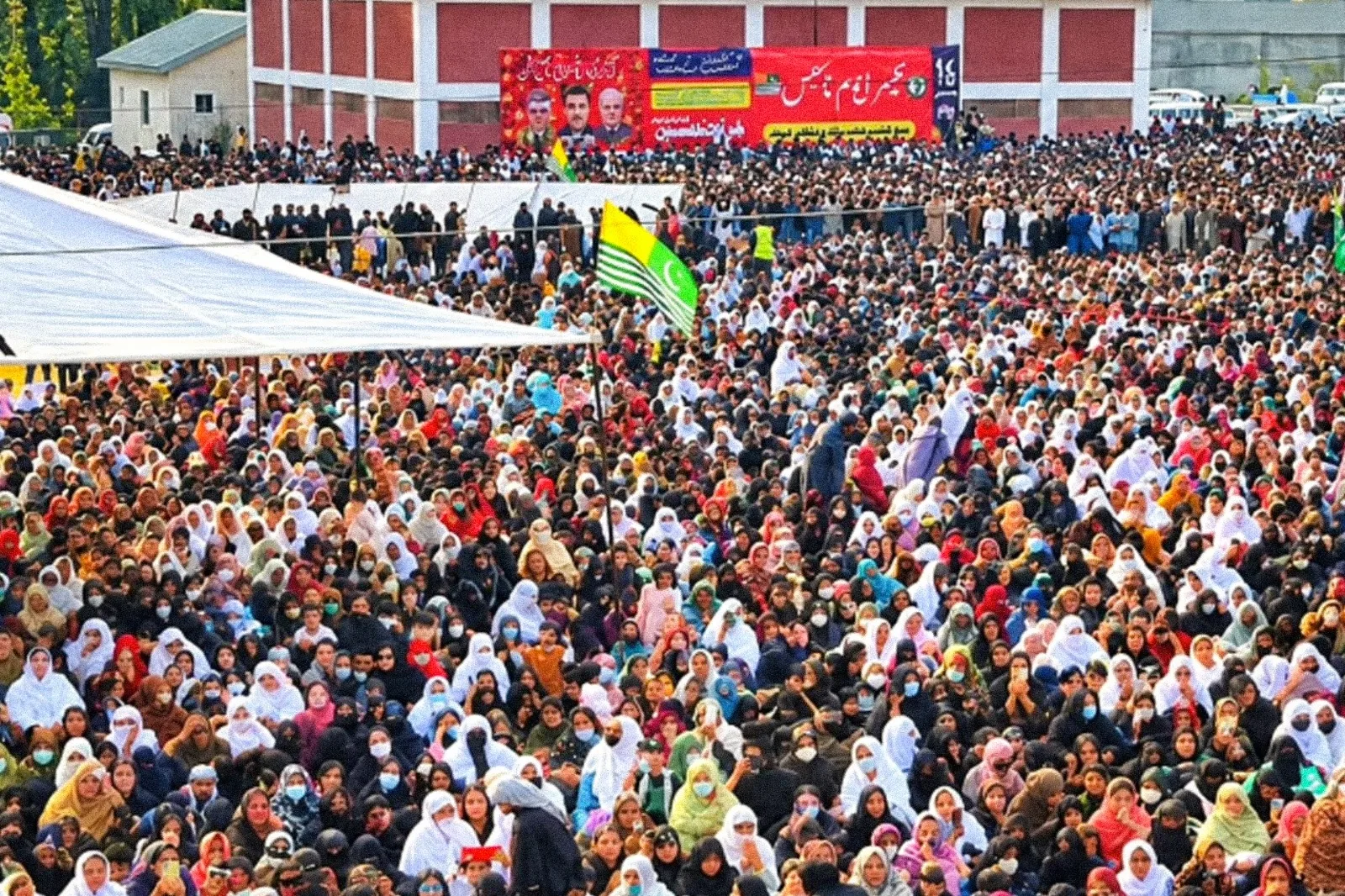
The long march continued in the vicinity of Rawalakot, and despite the repression, a large rally with tens of thousands of people took place on 13 June. Even though its leaders were forced into hiding to preserve their lives.
Opening fire on peaceful demonstrators was a barbaric act perpetrated by the Pakistani state, which must be held accountable.
This motion demands that the Brazilian government notify the government of Pakistan and express its concern about this violation of human rights, which has been denounced by several international humanitarian organisations, such as Amnesty International. This motion demands an end to the political persecution against the Awami Action Committee of Azad Kashmir, the release of the demonstrators arrested during the 9 June march, and the withdrawal of all charges against its members and leaders.
Fernanda Melchionna – Federal Deputy
Glauber Braga – Federal Deputy
Sâmia Bomfim – Federal Deputy
Brasília, 16 June, 2026