By the general election of 1928, the boom was reaching its peak. It gave rise to feelings of increased social and political stability, which resulted, after a four year interval, in the return of the “Grand Coalition” headed by the Social Democrats under Hermann Müller.
Without exception, the bourgeois parties faced a decline in support. Hitler’s Nazi Party gained only 12 seats (out of 474), with 810,000 votes, reflecting the doldrums that the fascists were in. The Nationalist vote fell by one third to four million. On the other hand, the KPD increased its vote to 3.2 million, and the SPD to over nine million.
Despite the SPD and KPD having gained a total of 42 percent of the seats in Reichstag, the liberal-social democratic coalition, true to its past performance, pursued pro-capitalist policies on all questions, which were to give rise to widespread disillusionment.
By this time, the Communist International had become transformed into a foreign policy tool of the Stalinist bureaucracy. The defeat of the British general strike, and the Chinese Revolution from 1925 to 1927, due to the false policies of Stalin and Co., further reinforced the position of the parasitic bureaucracy. After a decade of colossal sacrifices and international defeats, the Russian masses were in a state of severe exhaustion. Each international setback strengthened the Stalinist bureaucracy, which raised itself above the working class as an independent arbiter. By late 1927, the Left Opposition had been expelled and within a few months, Trotsky deported to Alma Ata. Stalin, as the figurehead of the bureaucracy, then began a purge of all opposition elements, including Bukharin’s Right Opposition.
In a similar fashion, the Stalinists carried through a purge in all sections of the Comintern, appointing loyal, pliant, obedient stooges in their place.
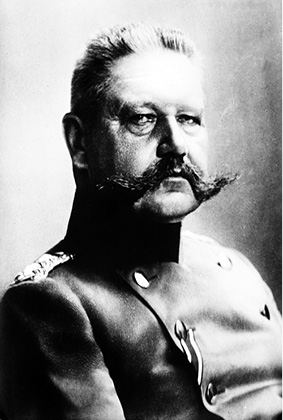
Paul von Hindenburg
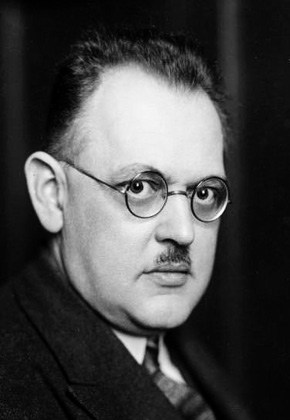
Hermann Müller